
By Reggie Cole –
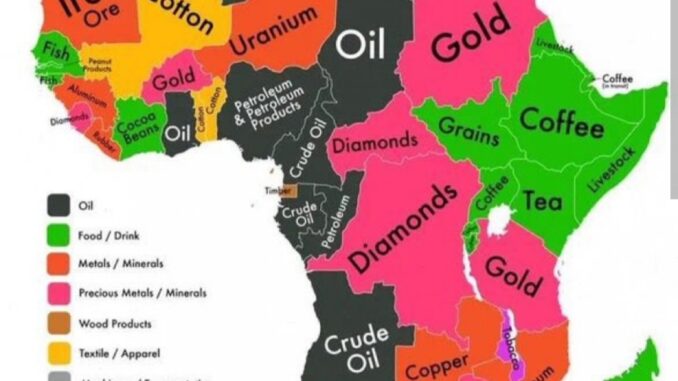
This article explores the concept of Africa’s hidden power and how the continent’s natural resources, if withheld, could destabilize the global economy.
Drawing on two articles by Reggie Cole, we delve into how Sierra Leone and other African nations have been systematically exploited, with wealth siphoned off to countries like Switzerland while their populations remain impoverished.
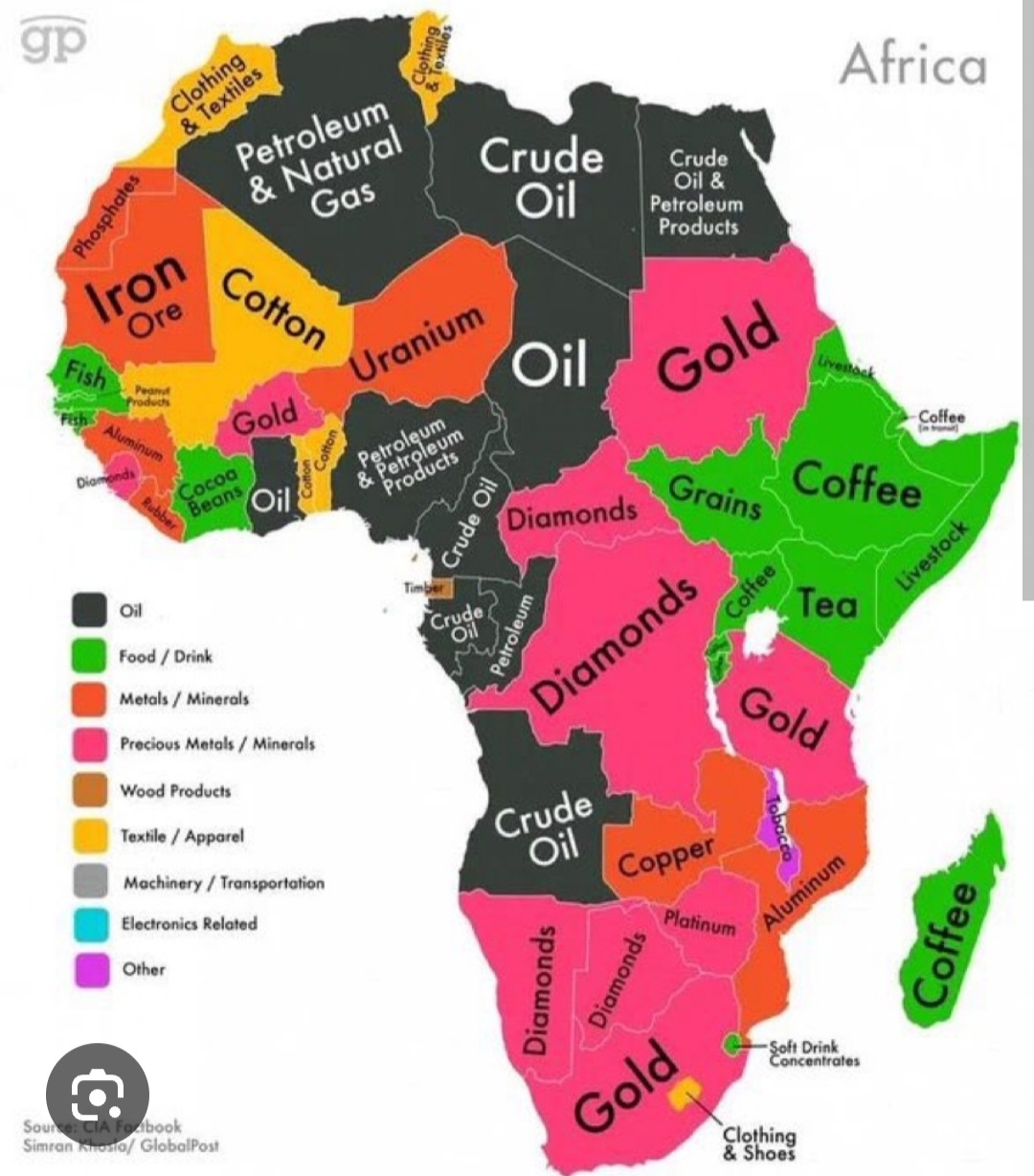
We examine the potential impact of a six-month resource freeze by Africa, the historical exploitation of African resources, and the corruption that has prevented meaningful development. Finally, it addresses the need for African nations to demand accountability, transparency, and strategic control over their resources for the benefit of their own people rather than enriching foreign powers.
1. Question: What would happen if Africa collectively stopped exporting its natural resources for six months? Answer: The global economy would face a massive crisis, with industries reliant on African resources—such as oil, tech, and luxury goods—collapsing. Oil prices would skyrocket, tech companies would halt production due to a shortage of critical minerals, and food and luxury markets would be thrown into chaos. This demonstrates the untapped power Africa holds but has yet to wield effectively.
2. Question: How has resource mismanagement affected Sierra Leone’s development? Answer: Resource mismanagement, combined with corruption, has siphoned off wealth that could have developed the country’s infrastructure, education, and healthcare systems. Instead of benefiting Sierra Leoneans, resources like diamonds, cocoa, and minerals have enriched corrupt leaders and foreign nations.
3. Question: Why have African nations not been able to leverage their resources as geopolitical tools? Answer: A combination of factors—such as political instability, foreign influence, a lack of infrastructure for value addition, and fragmented resource control—has prevented African nations from effectively leveraging their resources. Additionally, corrupt leaders have preferred short-term personal gain over long-term national development.
4. Question: How has Switzerland benefited from African wealth, particularly from Sierra Leone? Answer: For over 63 years, corrupt African politicians have funneled stolen wealth into Swiss bank accounts. This wealth, meant for national development, has helped build Switzerland’s stable and prosperous economy while Sierra Leone remains one of the poorest countries in the world.
5. Question: What impact would halting diamond exports from Sierra Leone have on global markets? Answer: The global jewelry industry, heavily reliant on Sierra Leonean diamonds, would face shortages, driving prices up. Jewelers would be forced to confront the unethical origins of these diamonds, potentially leading to greater scrutiny of global supply chains.
6. Question: How has corruption in Sierra Leone contributed to its underdevelopment? Answer: Corruption has drained the country of billions in potential development funds. Leaders have diverted public resources into personal bank accounts abroad, depriving Sierra Leoneans of essential services like healthcare, education, and infrastructure.
7. Question: What lessons can Sierra Leone learn from its history of resource exploitation? Answer: Sierra Leone must recognize that it holds significant power in global markets due to its natural resources. By demanding better governance, transparency, and accountability, the country can shift from being exploited to negotiating favorable terms that benefit its people.
8. Question: How has Africa’s role as a raw material supplier affected its global standing? Answer: Africa’s role as a supplier of raw materials, without control over the manufacturing of finished goods, has kept the continent in a dependent position. This has allowed wealthier nations to profit from Africa’s resources while African countries remain impoverished.
9. Question: Why is it important for Sierra Leonean voters to demand transparency from their leaders? Answer: Without transparency, Sierra Leoneans cannot hold their leaders accountable for how the country’s resources are managed and sold. It is crucial that voters demand to know where the wealth from resources like diamonds, cocoa, and minerals is going, to ensure it benefits the nation.
10. Question: What steps can Africa take to harness its resources for its own development? Answer: Africa must unite and negotiate the terms of trade for its resources on its own terms. Leaders need to reject aid dependency and instead focus on fair trade, transparency, and long-term strategic use of their resources. This includes building value-adding industries and fostering regional cooperation to strengthen collective bargaining power.
Summary:
Africa has immense natural resources that fuel global industries, yet its people remain among the poorest in the world. Reggie Cole’s articles highlight the untapped power African nations hold and how, for over 63 years, corrupt leaders have diverted national wealth into foreign bank accounts, particularly in Switzerland. By examining a hypothetical scenario where Africa halts resource exports for six months, we see the potential for the global economy to crumble. The tech, luxury, and energy sectors in the West heavily depend on African minerals, oil, and agricultural products. Yet, instead of harnessing this leverage, African leaders have historically played the role of beggars rather than negotiators. The papers advocate for a shift towards accountability, better governance, and strategic resource management that benefits African nations and their people.


Leave a Reply