

BIG INJUSTICE IN SIERRA LEONE: ZAINAB SHERIFF JAILED OVER ELECTION COMMENT
A wave of outrage has swept across Sierra Leone following the sentencing of popular model, entertainer, and Chairperson of Wi Duti, Zainab Sheriff, to four years and two months in prison for statements she made regarding the 2023 elections.
Sheriff was found guilty on two counts of incitement and threatening language, both said to be contrary to the Public Order Act of 1965. According to court proceedings, her conviction stems from remarks in which she alleged that President Julius Maada Bio stole the 2023 elections.
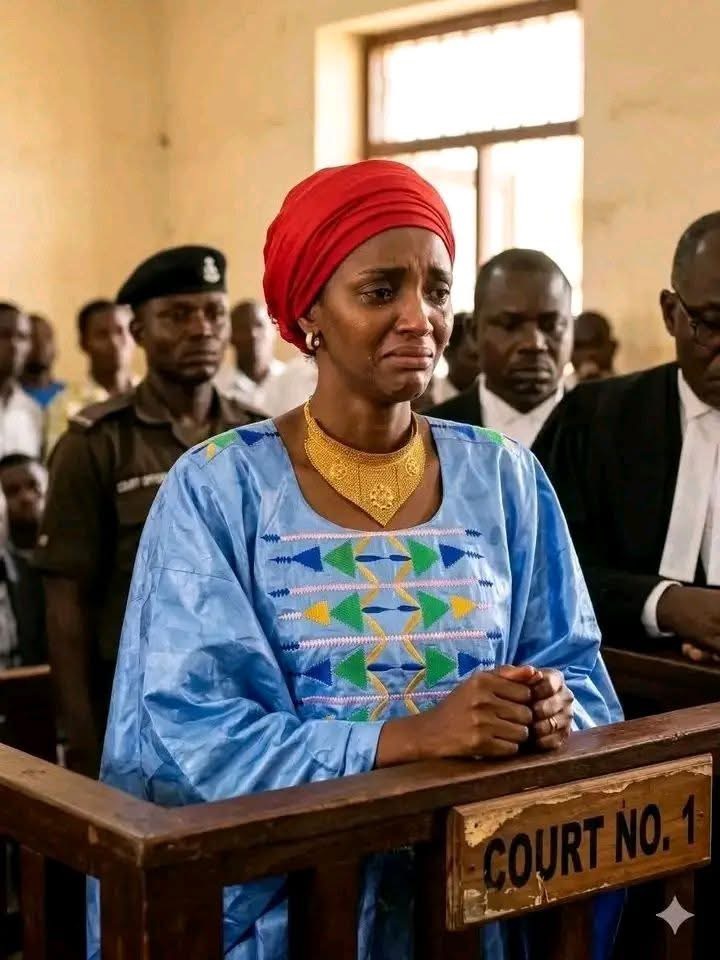
The court ruled that her statements amounted to incitement, handing down a sentence of four years and two months. However, the sentences on both counts are to run concurrently, meaning Sheriff will serve a total of four years in prison.
The judgment has triggered widespread anger, with citizens taking to social media to express frustration and disbelief. Many Sierra Leoneans are questioning whether it is justifiable to imprison an individual for expressing a political opinion, however controversial.
Critics of the ruling have described the sentence as excessive and oppressive, arguing that freedom of speech is under threat. “You cannot imprison somebody for saying the President stole elections,” has become a common refrain online, as calls grow for judicial fairness and respect for civil liberties.
Adding to the controversy are allegations of selective justice. Several voices have pointed to statements made by prominent figures within the ruling Sierra Leone People’s Party (SLPP), including First Lady Fatima Bio, Kadiri Kai-Kai, and Bartillo Songa, as well as a Deputy Information Minister and even President Bio himself. These individuals are accused by critics of making remarks perceived as threatening toward members of the opposition All People’s Congress(APC), yet no legal action has reportedly been taken against them.
This perceived imbalance has intensified public anger, with many accusing authorities of enforcing the law unevenly—harshly against critics, while overlooking alleged offenses by those aligned with the government.
Legal analysts note that the case raises broader questions about the continued use of the Public Order Act of 1965, a colonial-era law that has long been criticized for restricting free expression.
As the debate deepens, the sentencing of Zainab Sheriff is rapidly becoming a flashpoint in Sierra Leone’s political landscape, highlighting tensions around free speech, justice, and accountability in the post-election period.
For now, Sheriff remains behind bars—her case a symbol, for many, of what they describe as a troubling moment for democracy in Sierra Leon
Leave a Reply