
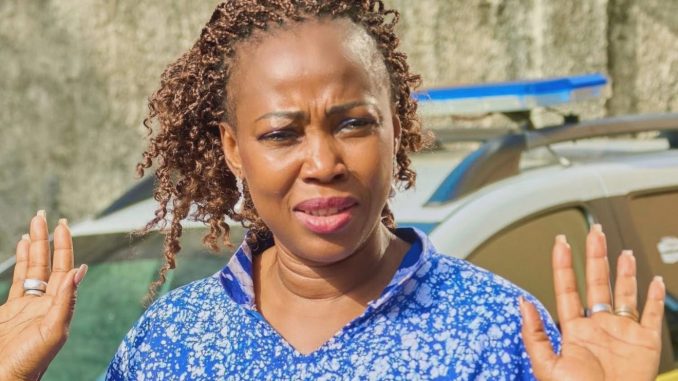
𝐀 𝐂𝐎𝐍𝐓𝐑𝐀𝐃𝐈𝐂𝐓𝐈𝐎𝐍 𝐓𝐎𝐎 𝐁𝐈𝐆 𝐓𝐎 𝐈𝐆𝐍𝐎𝐑𝐄…
𝐂𝐇𝐀𝐌𝐏𝐈𝐎𝐍𝐈𝐍𝐆 𝐆𝐈𝐑𝐋𝐒❜ 𝐑𝐈𝐆𝐇𝐓𝐒 𝐖𝐇𝐈𝐋𝐒𝐓 𝐂𝐄𝐋𝐄𝐁𝐑𝐀𝐓𝐈𝐍𝐆 𝐅𝐆𝐌
𝘽𝙮 𝙈𝙤𝙝𝙖𝙢𝙚𝙙 𝙎𝙖𝙢𝙪𝙚𝙡 𝙈𝙖𝙧𝙫𝙚𝙡 𝙏𝙝𝙤𝙧𝙤𝙣𝙠𝙖
𝘿𝙖𝙩𝙚: 𝙅𝙪𝙣𝙚 16, 2026
The fight for the rights and dignity of women and girls cannot be selective. Advocating against child marriage, rape, and sexual violence while overlooking Female Genital Mutilation (FGM), commonly practiced through the Bondo initiation process, presents a troubling contradiction in the pursuit of gender justice. True protection for women and girls requires confronting all forms of harmful practices with equal courage, consistency, and urgency.
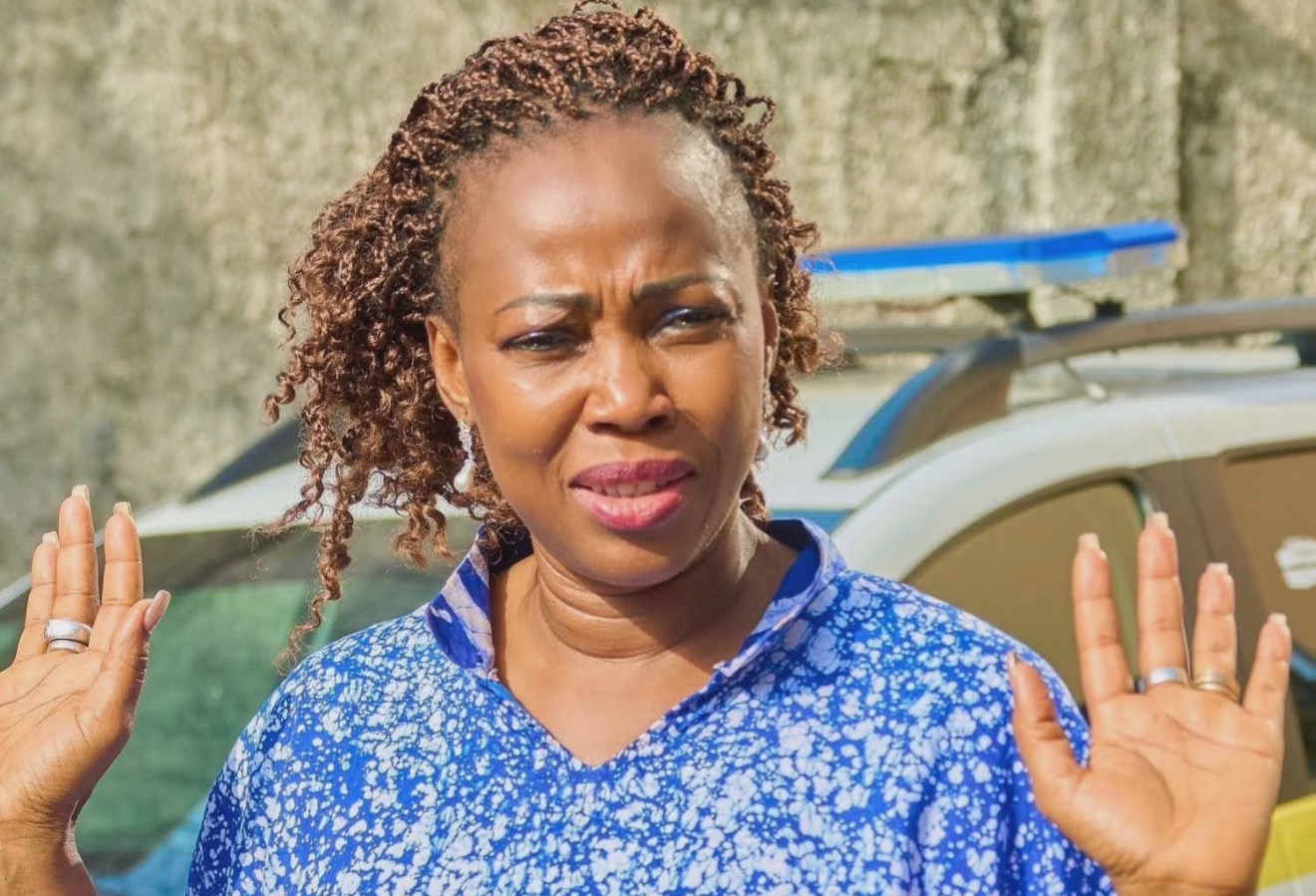
It is against this backdrop that many Sierra Leoneans were disappointed by reports and images of the First Lady’s participation in an FGM-related festival in Kenema.
As the face of the widely celebrated “Hands Off Our Girls” campaign, which has rightly championed the protection of girls from rape, child marriage, and other forms of abuse, such involvement raises legitimate questions about the consistency of our national commitment to safeguarding the rights of girls.
Sierra Leone is not operating in a vacuum. The country is a signatory to several international and regional human rights instruments that call for the elimination of harmful practices against women and girls. These include the Maputo Protocol, the Convention on the Elimination of All Forms of Discrimination Against Women (CEDAW), the Convention on the Rights of the Child (CRC), and the African Charter on the Rights and Welfare of the Child. These frameworks oblige governments not only to condemn harmful traditional practices but also to take concrete measures to eliminate them.
Yet, despite these commitments, political leaders have often remained hesitant to address FGM directly. The reason is no secret. For decades, politicians across party lines have treated Bondo societies as important political constituencies. Rather than pursuing meaningful reforms, many have chosen silence, accommodation, or even sponsorship of initiation ceremonies to secure political goodwill and electoral support. This pattern reflects a broader failure of political courage.
The reality is that without genuine commitment from political leaders, the prospects of ending gender-based violence and harmful practices remain slim. Laws, policies, donor funding, and advocacy campaigns cannot succeed where political will is absent. Gender justice requires leaders who are willing to prioritize the rights and wellbeing of women and girls over political calculations.
This is why the conversation must extend beyond frontline activists and community sensitization efforts. International partners, particularly the United Nations Population Fund (UNFPA), deserve recognition for supporting anti-FGM advocacy and community engagement initiatives. However, there is a need for a more strategic approach. Too often, interventions focus primarily on grassroots actors while paying insufficient attention to the political structures that sustain the practice.
If UNFPA and other development partners are serious about eliminating FGM in Sierra Leone, they must also direct greater attention toward lawmakers, policymakers, political parties, and influential public officials. Harmful practices cannot be dismantled effectively if those with legislative authority and political influence continue to tolerate, endorse, or participate in them. Transforming community attitudes is important, but transforming political attitudes is equally essential.
This is not an attack on culture, nor is it an attack on any individual. Rather, it is a call for consistency, accountability, and moral leadership. A nation cannot claim to protect girls from one form of violence while remaining silent about another. The rights of girls are indivisible. Their bodily autonomy, dignity, health, and future deserve protection regardless of whether the threat comes from criminal acts, harmful traditions, or political convenience.
Sierra Leone’s women and girls deserve more than slogans. They deserve leaders whose actions reflect the principles they publicly champion. Until our political class demonstrates the same determination against FGM that it shows against child marriage and rape, the promise of gender justice will remain incomplete.
Sierra Leone Parliamentary Watch
Ministry of Gender and Children’s Affairs-SL
@AIM Sierra Leone
UNFPA Sierra Leone
AYV
@followers



Leave a Reply