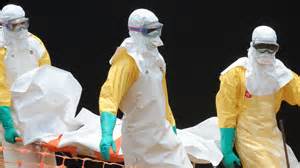

Once again, Sierra Leoneans mourn mass deaths of what is estimated to be 1000 deaths due to mudslides that happened slightly about two weeks ago. Coming shortly after the Ebola Virus Disease epidemic that hit the country along with Guinnea and Liberia in 2014 and affected over 14, 000 by January 2016, what lessons can the country draw from her Ebola crisis recovery efforts?
As of August 14, the government reported over 450 people had died from mudslides and floods, with victims largely those living in informal settlements. With hundreds of people still uncounted for, the shocking death toll was expected to rise substantially. However, what is not clear at the moment is the age disaggregation of victims.
Glynnis Cummings john
A HelpAge International report on disasters and how they affect older persons showed that older people and those with disabilities are at greater risk of injury and harm due to mobility challenges. They are less likely to flee due to hardships associated with travel and a reluctance to leave home, land and possessions.
The spread of diseases such as cholera, typhoid and diarrhoea following flooding is also a huge concern, according to Alex Carle, director of international programmes at the British Red Cross. ”The city’s drainage system got badly damaged by the torrential rains, leaving stagnant water in most areas,” Alex is quoted as telling the Press.
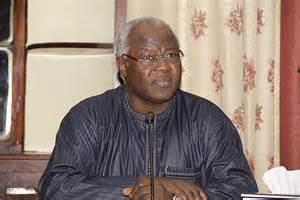
President Ernest Bai Koroma said the devastation “was overwhelming.” He appealed for urgent help to support the thousands of people affected by a devastating mudslide on the outskirts of the country’s capital.
As the country buried the dead within days of the crisis, it is clear that as the country enters the recovery phase it will need assistance to help the affected be back on their feet.
Older people are overlooked in Sierra Leone
Dr Prafulla Mishra, Africa Regional Director at HelpAge International said he fears about the status of older persons in the current crisis. “These are people who suffered the most when civil war and Ebola struck, and now this,” he noted.
In a country that has not had a national policy for older persons, Dr Prafulla noted that this crisis might further disenfranchise the older persons. He is however optimistic that the people of Sierra Leone will overcome even the current crisis.
According to Glynnis Cummingsjohn, a Technical Inclusion Advisor, Ebola had a devastating impact on older people but also provided valuable lessons for future responses to crises that might arise.
For example, Glynnis cites the intergenerational approach that drew the youth and the older persons together while responding to Ebola. “A livelihoods programme we ran in the recovery phase of the crisis showed a renewed sense of purpose among people of various age groups and social class, key lessons that could come in handy in the current mudslide crisis.
The intergenerational approach to the response, particularly now when aid groups are delivering supplies and helping provide clean water to prevent a health crisis, will be boosted by the recent moves by the government which has increasingly opened up to the needs of older persons after years when they did not even feature in the country’s constitution. The government is currently putting together the National Ageing Policy with the support of the HelpAge International.
Appropriate response
In 2016, Age International, Restless Development and HelpAge International (with support from the Disasters Emergency Committee) carried out the ‘Rebuilding sustainable livelihoods’ programme in 60 communities in Bonthe and Moyamba districts of Sierra Leone. The programme aimed to help revive and strengthen older people’s livelihoods during the Ebola Virus Disease recovery phase.
The programme blended HelpAge’s expertise in supporting the income security of older people with Restless Development’s youth volunteer-led livelihoods model and long-standing presence in the target districts and communities.
It enabled young people to play a key role in training older people in business and savings and loan skills, and in supporting them to develop their own livelihood initiatives. This assistance was delivered through the formation of Older People’s Associations (OPAs) in each of the targeted communities.
A total of 85 OPAs were formed in the 60 communities, each with 20 members over the age of 50 (selected based on their vulnerability) – directly reaching a total of 1,700 older people. With the exception of the need to have one literate secretary per OPA, there were no disability, gender or literacy criteria that could inhibit participation. The OPAs included older widows and widowers, older people living with a disability (PLWD), older people caring for grandchildren, EVD survivors, and those who had lost primary breadwinners during the EVD outbreak.
From the money raised through saving deposits and interest, OPAs were able to start distributing loans. OPA members drew on the savings and loan scheme – and the skills taught by youth volunteers – to establish or expand their own livelihood initiatives. These loans became known as Village Savings Loans (VSLs).
In all communities visited, older women and men said the respectful attitude and encouragement of the youth volunteers helped them to participate, leading them to learn much from the training. As one older man in Njama, Moyamba, reflected: “[It was] interesting and admirable for a young man to impart his knowledge.”
Youth volunteers agreed, finding that the best strategies to overcome older people’s scepticism – especially in the first three months – were encouragement, patience and storytelling. Ensuring the training sessions were “dialogue, not monologue,” and encouraging older people to share their experiences with past successes and failures in businesses they had run, helped promote mutual respect and the feeling of “older-people centred learning”.
Though youth volunteers were able to allay older people’s concerns through storytelling and talking, often they had to overcome their own doubts and scepticism about teaching older people.
In Mano, Moyamba, a male youth volunteer said: “Before, I could not imagine working with older people, I had doubts. The older people are old enough to have given birth to my parents. I could not imagine myself as a young man teaching [them]. But it was a revelation, to stand in front of the older people, imparting knowledge to them.” Another male mentor, in Mano, Moyamba, reflected that: “I was doubtful before. But now, I have no iota of doubt within me about the older people. Of course I know that they can do it.”
Before the programme’s launch, foundation training for youth volunteers sought to dispel misgivings about intergenerational teaching and learning.
Development programme manager said: “A lot of convincing had to happen first, because if [the volunteers] didn’t believe it, the [older people] wouldn’t believe it.” Ultimately, the strategy seems to have been very successful: volunteers across both districts applauded the foundation training, and said it prepared them for age-related challenges ahead. The training aimed to build understanding and empathy among volunteers for the day-to-day challenges older people face, and the need for flexibility and creativity when leading sessions.
Volunteers said the training exercises strengthened their communication skills for engaging with older people, and provided strategies for teaching those who (often because of their age) had difficulty timekeeping, paying attention, or grasping unfamiliar concepts. Just as importantly, the training encouraged youth volunteers to believe in older people’s capabilities, and in their own ability to teach them.
Moreover, older people applauded the youth volunteers for the skills they developed, resulting in some having greater belief in the power of young leaders. The Town Chief of Nyandehun, Bonthe, said: “[young people have the] potential to lead change. John and Mina [the national and community volunteers] are evidence of that fact. It’s John and Mina now, but it can be another youth tomorrow.”
ENDS
About HelpAge International
HelpAge International is a global network of organisations promoting the right of all older people to lead dignified, healthy and secure lives.
For more information, contact
Mr Henry Neondo, Regional Communications Coordinator, HelpAge International. Tel: +254721361608; Email: henry.neondo@helpage.org; Skype: henry.neondo15