Tough Macroeconomic Policies Needed to Stabilize Sierra Leone’s Economy
FREETOWN, October 27, 2023 – Sierra Leone’s economy is projected to grow at 3.7 percent on average during 2023–25, below its long-term trend. This scenario is predicated on sound domestic policies, including a tight monetary stance to combat inflation, and an equally conservative fiscal policy to decrease debt pressures and rebuild fiscal space. Headline inflation could moderate gradually to 14 percent and the fiscal deficit decline to 3.9 percent of GDP by 2025, according to the new World Bank Sierra Leone Economic Update launched today in Freetown. The report notes that risks to debt sustainability will remain elevated until fiscal balances improve further and the reliance on expensive and short-term domestic borrowings is addressed through the lengthening of maturities and greater access to concessional borrowing.
“Sierra Leone is faced with a challenging macroeconomic environment and the rapid rise in the cost of living combined with weak growth and deterioration of macroeconomic fundamentals threaten to increase the level of poverty among the population,” said Abdu Muwonge, World Bank Country Manager for Sierra Leone. “Therefore, the Government’s policy priorities should focus on restoring macro stability while protecting vulnerable households and maintaining focus on long-term reforms that are geared toward fiscal and debt sustainability.”
The economy experienced overlapping setbacks during 2022 as external shocks aggravated domestic macroeconomic vulnerabilities, resulting in a rapid debt build-up, rising inflation, and food insecurity. GDP growth slowed from 4.1 percent in 2021 to 3.5 percent in 2022, while inflation rose from 12 percent in 2021 to 27 percent in 2022, and further to over 40 percent by May 2023, threatening the welfare of households and worsening food insecurity and poverty. The fiscal deficit increased from 7.6 percent of GDP in 2021 to 9.6 percent in 2022, driven by a combination of macroeconomic headwinds and policy slippages. Public debt-to-GDP ratio increased from 84.7 percent at the end of 2021 to 96.3 percent at the end of 2022. The report notes that, though the outlook for the economy will be shaped by external developments, domestic policy remains key and should focus on restoring macroeconomic stability.
“Enforcing fiscal discipline and renewing the commitment to consolidation will be crucial in ensuring fiscal and debt sustainability. Active debt management can also support debt sustainability and reduce vulnerabilities,” said Smriti Seth, World Bank Senior Economist and one of the lead authors of the report.
The 2023 Economic Update devoted a special section on food security, examining recent trends, challenges and opportunities in three major agricultural value chains – rice, cocoa, and horticulture. It identifies the importance of supporting and empowering the private sector to undertake the required investments in the country’s agricultural sector. The report comes at a time the government has launched its ‘FEED SALONE’ flagship program with the aim to increase agricultural productivity and achieve food security and sovereignty.
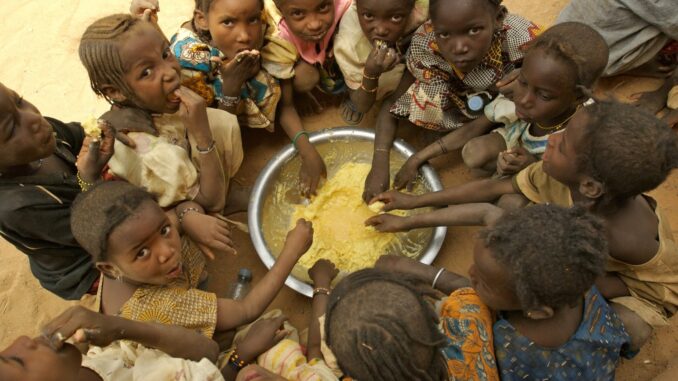
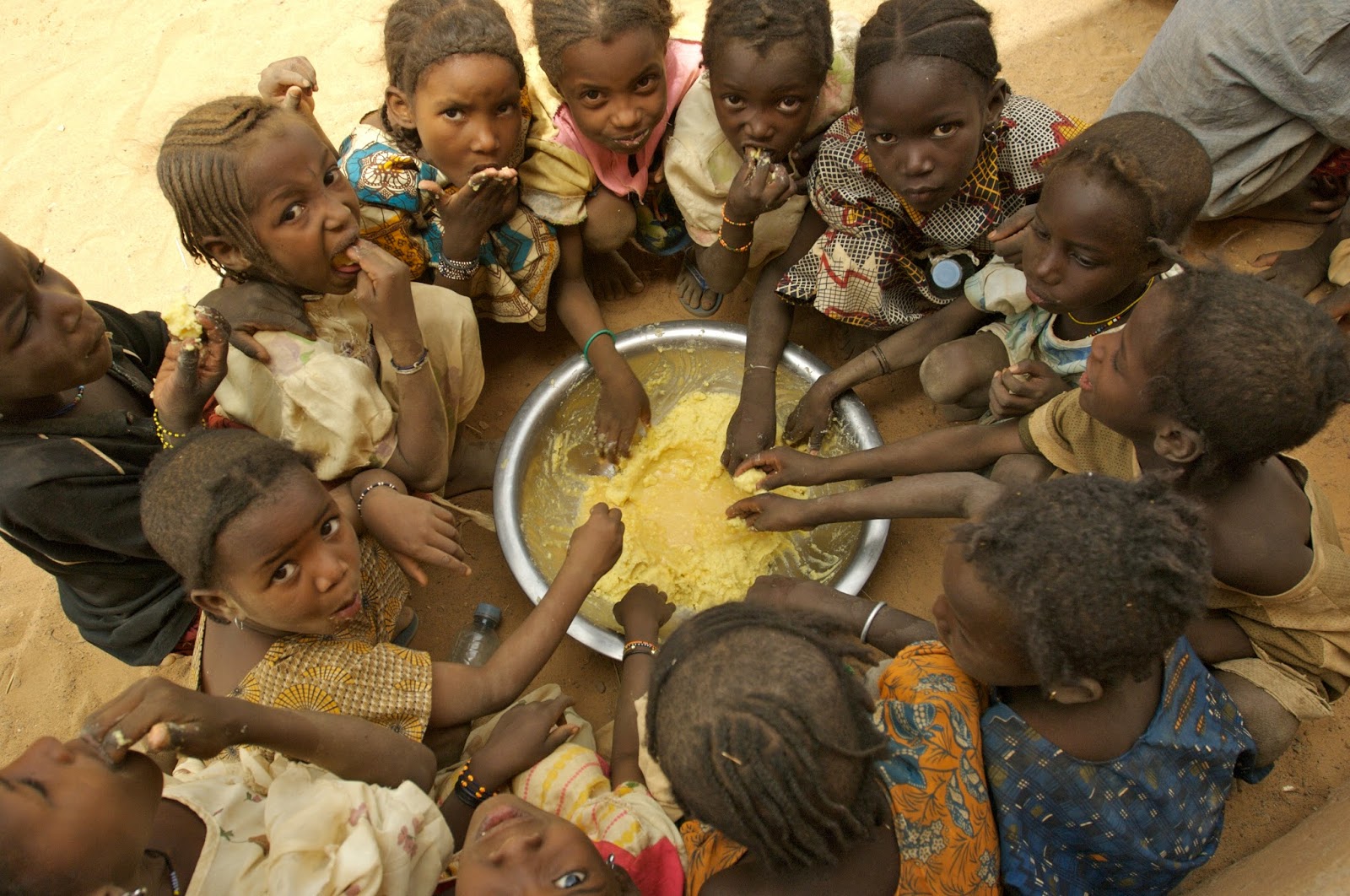
The report notes that some 4.5 million people (55 percent of the population) have insufficient food consumption, 3.9 million (48 percent of the population) have crisis or above crisis-level food-based coping strategies, and 3.22 million (38 percent of the population) face challenges accessing markets. While the rate of chronic undernourishment is relatively stable (with a slight upward trend), the report notes that rapid population growth means that the size of the problem is steadily increasing in absolute terms. As policy priorities over the short to medium-term, the report identifies structural weaknesses of the food system as well as global shocks as having negatively impacted the livelihoods and incomes of farmers and exacerbated food security risks. To mitigate these challenges, focus should be placed on prioritizing safety net measures to enhance short-term food availability and access for the most food-insecure and vulnerable households, as well as addressing structural challenges to improve agriculture productivity and competitiveness and enhance the livelihoods of smallholder farmers.
Sierra Leone 2023 Economic Update
Contacts:
In Sierra Leone: Moses Alex Kargbo, +232 76 345930, mkargbo@worldbank.org
For more information about the World Bank’s work in Sierra Leone visit: http://www.worldbank.org/en/country/sierraleone
To learn more about IDA: https://ida.worldbank.org/en/ida
For more information, visit: https://www.worldbank.org/en/region/afr/western-and-central-africa
Follow us on Twitter: https://twitter.com/WorldBankAfrica