
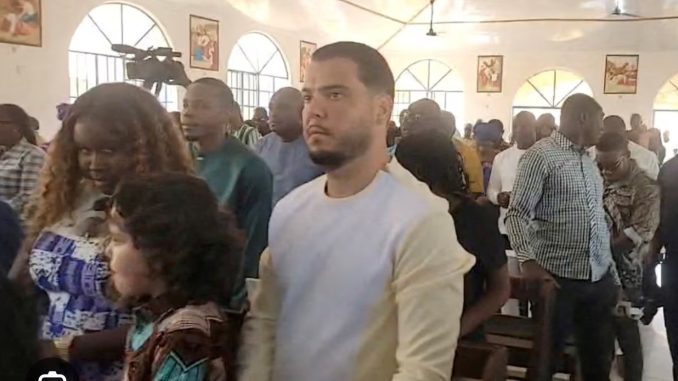
EUROPEAN PRESSURE, BOLLE JOS AND SIERRA LEONE’S REPUTATION
Pressure is building in Europe over Sierra Leone’s handling of the case involving convicted Dutch drug trafficker Jos “Bolle Jos” Leijdekkers. A Dutch member of the European Parliament has called on the European Commission to increase pressure on Sierra Leone, while a 2026 European Parliament study identified Leijdekkers as a major international cocaine trafficker who had gained significant influence in Freetown.
This is no longer a small political argument. It is becoming an issue involving Sierra Leone’s international reputation.
Chief Minister David Sengeh recently said:
> “Our security intelligence does not know where Leijdekkers is.”
That statement raises an important question. Not knowing where he is is different from knowing that he is not in Sierra Leone.
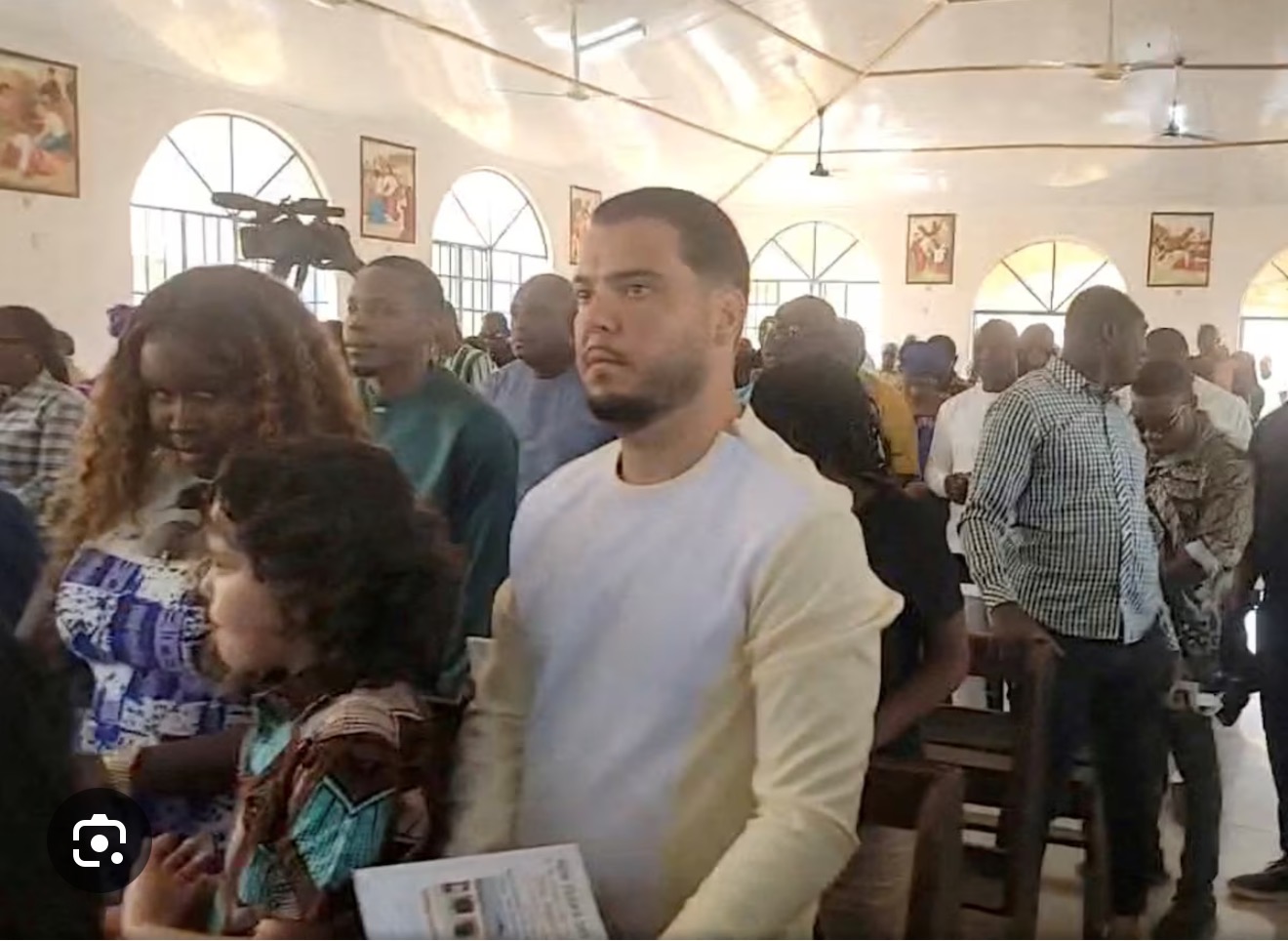
So, Chief Minister, can you state with verified intelligence that Bolle Jos is not in Sierra Leone?
And secondly, is determining the whereabouts of an international fugitive the responsibility of the Chief Minister?
State House describes the Chief Minister’s Office as the central coordinating body of the Executive, responsible for coordinating government ministries and agencies, monitoring performance and strengthening accountability.
Therefore, if this matter involves the Police, Immigration, intelligence agencies, Foreign Affairs and the Attorney-General, Sierra Leoneans deserve to know what coordination is taking place.
IS SIERRA LEONE BECOMING A NARCO-STATE?
That is a serious question, and the term should not be used recklessly.
A narco-state generally refers to a country where powerful drug-trafficking networks become deeply connected to, protected by, or capable of corrupting important state institutions.
I am not saying that Sierra Leone has been proven to be a narco-state.
The question is whether repeated allegations involving cocaine trafficking, international fugitives and Sierra Leone are creating that perception and stigma abroad.
And that stigma can be extremely damaging.
Countries considered high-risk for organized crime and money laundering can face greater scrutiny of international financial transactions and banking relationships. FATF has documented how concerns about financial crime and reputational risk can contribute to banks restricting relationships, making cross-border payments and financial access more difficult.
Investors can become cautious. Development partners can demand greater accountability. International law-enforcement agencies can increase scrutiny of ports, shipping and financial transactions.
And the greatest danger is this:
Governments come and go, but the stigma remains with the country.
Once Sierra Leone becomes internationally associated with cocaine trafficking or providing sanctuary to major international criminals, removing that reputation could take years.
That is why the government’s response should not simply be, “Show us where Bolle Jos is.”
It should be transparency, investigation, international cooperation and evidence.
Chief Minister, this is bigger than defending the government.
What is being done to protect the name of Sierra Leone before the world begins attaching two dangerous words permanently to our country: “NARCO-STATE”?
MUCTARR ZUBAIRU

Leave a Reply