

THE DAY LIBERIA CHANGED: THE APRIL 14, 1979 RICE RIOTS
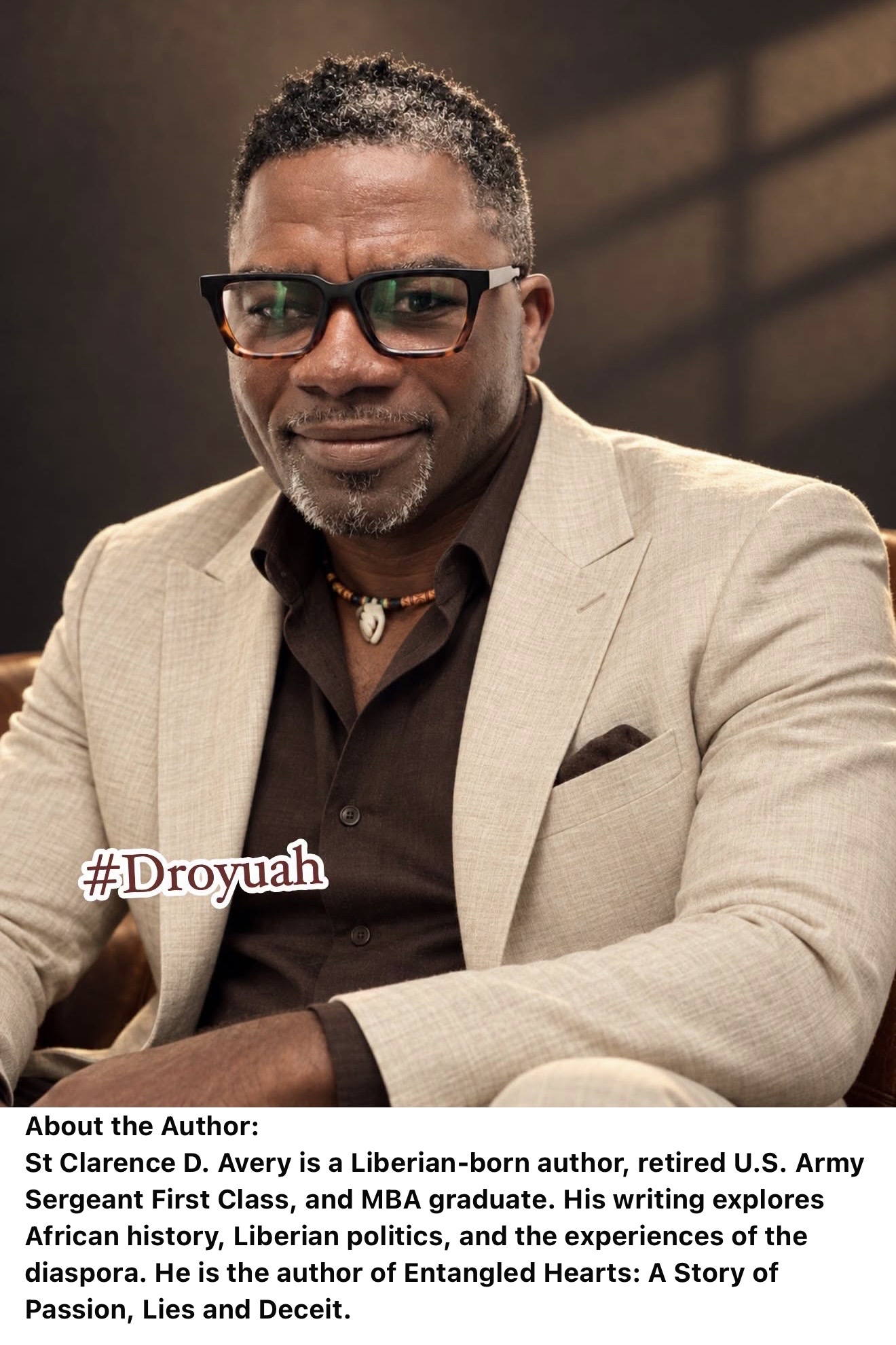
By St Clarence D. Avery, MBA | Author | Army Veteran
Before the morning of April 12, 1980, there was April 14, 1979.
The Rice Riots were about the price of a bag of rice. They were also about who held power in Liberia, and who had spent generations watching from the sidelines.
Liberia’s Truth and Reconciliation Commission described how a small number of Americo Liberian families and their networks dominated government, commerce, and opportunity for more than a century. Most Liberians from indigenous communities had little influence over the nation’s affairs.
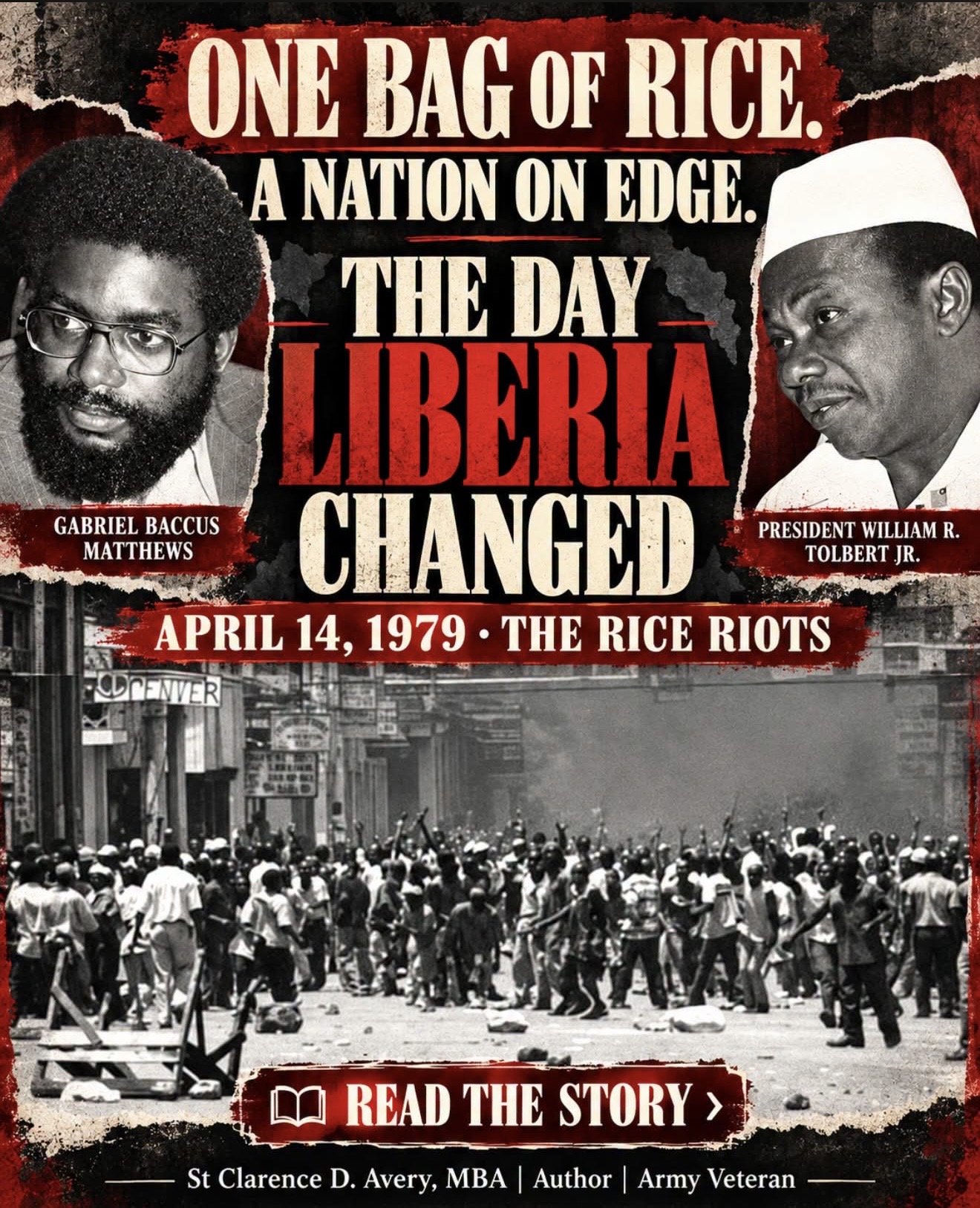
President William R. Tolbert Jr. tried to broaden their participation. The Commission acknowledged those efforts, but found that they were limited and widely seen as insufficient. In my view, Tolbert was trying to turn a tide that had been rising for generations.
Then came the proposal to raise the price of rice, Liberia’s daily staple. For families already struggling, it was one burden too many. Gabriel Baccus Matthews and the Progressive Alliance of Liberia, known as PAL, announced a demonstration for April 14, 1979.
The government banned the demonstration. According to the Truth and Reconciliation Commission, officials announced the ban over public radio and warned people against gathering in the streets. Church leaders and others tried to find a way to avoid a confrontation, but no agreement was reached.
On the morning of April 14, people gathered near PAL’s headquarters on Gurley Street in Monrovia, hours before the planned afternoon demonstration. Security forces surrounded the offices and ordered the crowd to disperse. As more people arrived, police used tear gas. Shots were heard near Gurley Street and elsewhere in the city. The planned demonstration had turned into deadly unrest before its scheduled start. People were killed and injured, and parts of the capital were devastated.
What happened next also matters. Tolbert sought assistance from President Ahmed Sékou Touré of neighboring Guinea. Hundreds of Guinean troops arrived, and some were assigned to protect the Executive Mansion and other government sites. Some Liberian soldiers had shown sympathy for the crowds. Bringing in foreign troops further strained the relationship between Tolbert’s government and its own army.
The Truth and Reconciliation Commission reported that Matthews and PAL claimed they could import a 100 pound bag of American parboiled rice for $9 if given permission. The Commission also noted that many people considered the claim impossible. Matthews later served as foreign minister under the People’s Redemption Council, but ordinary Liberians never saw the promised $9 rice.
Matthews was part of a wider progressive movement that included Togba Nah Tipoteh, Dew Tuan Wleh Mayson, Amos Sawyer, and others. They challenged a system that had excluded most Liberians. In my view, their message also persuaded many people that removing Tolbert and his True Whig Party government would bring a more united and prosperous Liberia. That hope deserves to be remembered alongside what actually followed.
We can condemn the shooting of civilians and still ask whether those who challenged the old government delivered on their promises when they entered the new one.
The Rice Riots did not make the coup inevitable. They exposed how much pressure had built beneath Liberia’s political order. The arrival of Guinean soldiers showed something else: Tolbert could no longer take the loyalty of his own armed forces for granted.
On April 12, 1980, soldiers led by Samuel K. Doe killed Tolbert and overthrew his government. The coup ended the old ruling class’s monopoly on the presidency. It brought military rule, however, rather than the democratic majority rule many had hoped for.
Today, Liberians from the indigenous majority can hold the nation’s highest offices. That is a profound change from the Liberia of 1979. But representation alone cannot build a country. We still need leadership that unites our people, governs fairly, and turns Liberia’s resources into opportunity for all.
That is why April 14 matters to me. A nation can change who holds power while still struggling to change how power is used.
What do you remember about the Rice Riots, or what did your parents tell you? Let’s discuss this chapter of our history respectfully.
#Droyuah
#LiberianHistory #1979RiceRiots #ReadReflectShare
@highlight


Leave a Reply