
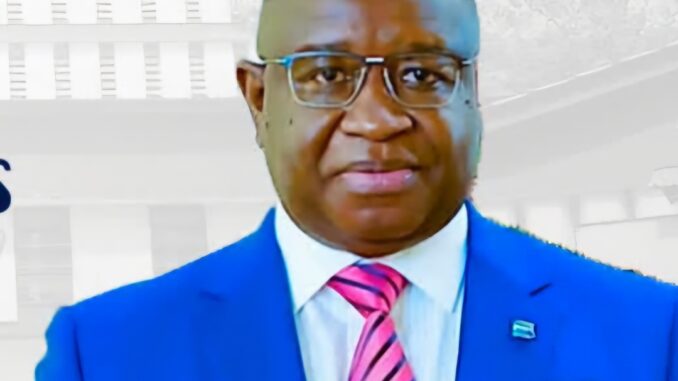
*The Rise and Fall of a Poor African Dictator*
By Darwish
Obi’s rise to power was the dawn of what many believed would be a new direction. He campaigned as the people’s saviour, vowing to dismantle the corrupt machinery left behind by his predecessor, President Komra. His fiery speeches against corruption, racketeering, and human rights abuses ignited hope across the nation. The refusal and publication of huge US Dollars congratulatulatory gesture from Lebanese friend’s on his first day in office marked Obi as the bold reformer the country had long awaited.
In the early years, Obi’s commissions of inquiry gripped the nation. Business tycoons, politicians, and former regime allies were dragged before panels and stripped of their properties. Yet behind the curtains, the seized mansions and assets quietly found their way into the hands of Obi’s political allies. What was painted as justice became a grand act of deception.
Elections under Obi’s regime became a mockery of democracy. Ballot boxes were stuffed, voters and commissioners were threatened at gunpoint, and entire opposition strongholds found their results annulled. The opposition cried foul, but their voices were drowned by the propaganda machinery.
By early hours of the morning and night, prisons became slaughterhouses. Inmates accused of political dissent were executed in cold blood or left to rot in overcrowded cells, and the poppers’s screams muffled under the weight of the soil.
But the regime’s most haunting legacy was the spread of kush—a cheap, deadly synthetic drug that ravaged the youth. Entire communities were reduced to ghost towns as addicts stumbled through the streets, their lives wasted while the government looked the other way.
The biggest scandal, however, came from within Obi’s own family. His cherished daughter, Princess Agie, married Joe Umarr Sheriff—the world’s most notorious drug baron. When international agencies exposed secret dealings with Sheriff’s cartel, the nation stood in shock. Evidence surfaced that the government had facilitated drug shipments in exchange for either campaign financing, while the same drugs destroyed the country’s youth.
Yet, to the outside world, Obi’s image remained largely untarnished—thanks to BBC Home Affairs journalist Umaru Fofanah Sheriff. The seasoned reporter, whose voice carried weight across the globe, became the regime’s unofficial mouthpiece. Every massacre was reported as a “security measure against terrorism.” The kush epidemic was framed as “a social problem inherited from past administrations.” Even the drug scandal was dismissed as “an orchestrated campaign by foreign agents to destabilize the country.”
While the streets burned, Umaru Fofanah Sheriff’s reports painted Obi as a reformer fighting to hold the nation together. International governments, relying on his reports, remained silent—unaware of the true horrors unfolding beneath the surface.
As the weight of scandals, massacres, and economic collapse crushed the regime, Obi’s circle began to crumble. His closest allies fled the country, while his once-loyal generals turned against him. The commissions of inquiry—once his greatest weapon—were now closing in on him.
Alone in his palace, Obi stared at the portrait of President Bai, the very man he had vowed never to become. The irony was suffocating. He had promised to rid the nation of tyranny, but now he stood on the edge of the same abyss.
At the height of a regime change, a letter from the Commission of Inquiry into Drug Cartels, Election Fraud, and Extrajudicial Killings lay unopened on his desk. Outside, angry crowds filled the streets, chanting anti Obi slogans. His plane stood ready on the tarmac, engines humming.
Would Obi face the justice he once preached, or would he flee into the shadows.
As night fell, the nation held its breath. The final chapter of Obi’s reign hung in suspense—an unfinished story in the long cycle of corruption and stolen dreams.
Leave a Reply