
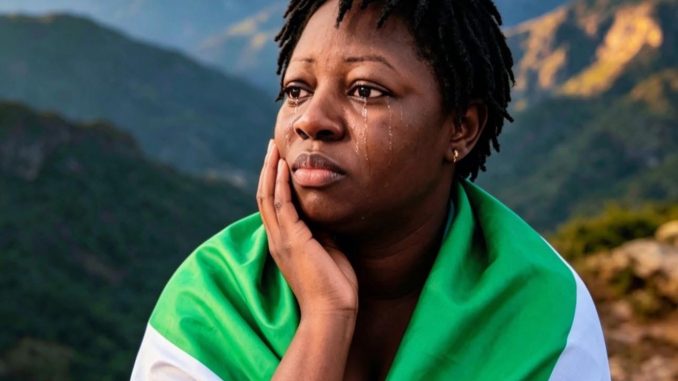
𝐅𝐑𝐎𝐌 𝐅𝐑𝐄𝐄𝐃𝐎𝐌 𝐓𝐎 𝐅𝐑𝐔𝐒𝐓𝐑𝐀𝐓𝐈𝐎𝐍: 𝐒𝐈𝐄𝐑𝐑𝐀 𝐋𝐄𝐎𝐍𝐄’𝐒 𝐈𝐍𝐃𝐄𝐏𝐄𝐍𝐃𝐄𝐍𝐂𝐄 𝐒𝐓𝐎𝐑𝐘.
On April 27, 1961, Sierra Leone gained independence from the United Kingdom. Flags were raised, speeches were delivered, and hope was sold to a people who desperately wanted to believe that freedom had finally arrived. We were told we were in control of our destiny. We were told the future belonged to us.

Today, 65 years later, we need to stop lying to ourselves. Because the question we keep avoiding is simple and deeply uncomfortable: independence for who?
What we call independence did not end oppression; it simply changed who benefits from it. From Milton Margai to Albert Margai to Siaka Stevens and the long line of leaders that followed, power slowly stopped being about service and became a tool for control.
The system was never broken… it was inherited, adjusted, and perfected. The suffering remained the same, only the faces in charge changed.
This is a country blessed with everything it needs to thrive, yet structured in a way that keeps the majority struggling. Sierra Leone is not poor; it has been managed into poverty.
A land rich in diamonds, gold, and fertile soil somehow produces citizens who cannot afford basic living. Hospitals are under-equipped, young people are educated but idle, and electricity that behaves like a visitor instead of a basic service. This is not misfortune, it is a pattern, repeated too many times to be accidental.
With all the resources we have as a nation, citizens are still struggling just to exist. It is no longer even survival of the fittest because we all know survival here is not about strength or hard work, but about who you know and who you are connected to.
So when leaders stand in front of struggling citizens and call this “resilience,” it doesn’t sound inspiring, it sounds like mockery. Because there is nothing admirable about being forced to endure what should never exist in the first place.
Even the Sierra Leone Civil War was not some random tragedy that fell from the sky. It was the direct result of years of greed, exclusion, and leadership failure. When people are ignored long enough, when opportunity is reserved for a few, and when corruption becomes the system, pressure builds until something breaks.
But here is the part we don’t like to admit…. we learned nothing. We buried the pain, held elections, changed faces, and returned to the exact same system that caused the collapse.
Today, we proudly call ourselves a democracy, but in reality, it often feels like a performance. Elections come and go with loud promises and rehearsed speeches, but the outcome rarely touches the life of the ordinary citizen.
The roads remain broken, the hospitals remain underfunded, and the cost of living continues to rise without mercy. Governments change, but the struggle stays the same.
𝐓𝐡𝐞 𝐨𝐧𝐥𝐲 𝐯𝐢𝐬𝐢𝐛𝐥𝐞 𝐢𝐦𝐩𝐫𝐨𝐯𝐞𝐦𝐞𝐧𝐭 𝐢𝐬 𝐢𝐧 𝐭𝐡𝐞 𝐥𝐢𝐯𝐞𝐬 𝐨𝐟 𝐭𝐡𝐨𝐬𝐞 𝐡𝐨𝐥𝐝𝐢𝐧𝐠 𝐩𝐨𝐰𝐞𝐫 𝐚𝐧𝐝 𝐭𝐡𝐨𝐬𝐞 𝐝𝐢𝐫𝐞𝐜𝐭𝐥𝐲 𝐜𝐨𝐧𝐧𝐞𝐜𝐭𝐞𝐝 𝐭𝐨 𝐭𝐡𝐞𝐦.
And then there is the one solution we have been fed for decades… prayer.
Since independence, we have been told to pray through corruption. Pray through injustice. Pray through suffering. And yes, prayer matters… but it has been turned into a convenient distraction.
Because you cannot actively benefit from a broken system and then ask the victims of that system to pray their way out of it.
Even religious spaces are no longer neutral. Lines have been drawn. Allegiances have been declared. And still, the message remains the same: “let’s pray.”
But pray for what?
For problems we have the power to fix but choose not to? If prayer alone could build a nation, Sierra Leone would be one of the most developed countries in the world, because we have been praying for 65 years straight.
So let’s stop softening it, let’s say it exactly as it is:
The only people truly enjoying independence and democracy in Sierra Leone are those in power, and those close enough to benefit from it.
Everyone else is managing life, not living it.
They vote, but they don’t benefit.
They hope, but they are repeatedly disappointed.
And as painful as it is, we cannot place all the blame on leadership alone. The citizens have played their part. We defend the same people who fail us. We attack truth based on political loyalty. We trade our future for temporary favors and then complain when nothing changes.
We have helped normalize the very system that continues to fail us, and that is the hardest truth of all
At this point, even the belief that a change in government will fix everything feels like another illusion. Because the issue is no longer just leadership, it is mindset, it is structure, and a cycle that keeps reproducing itself.
So again, what did independence really give us?
If freedom of speech depends on who you are speaking to…
If accountability is selective…
If opportunity is reserved…
If suffering is normalized…
Then what exactly did we gain in 1961? Was it a flag and an anthem, or just a well-packaged illusion of freedom?
Sierra Leone is not lacking in potential. What it lacks is honesty, accountability, and the courage to confront itself, both from those in leadership and from the citizens who continue to tolerate the system.
𝐖𝐞 𝐝𝐢𝐝 𝐧𝐨𝐭 𝐦𝐨𝐯𝐞 𝐟𝐫𝐨𝐦 𝐨𝐩𝐩𝐫𝐞𝐬𝐬𝐢𝐨𝐧 𝐭𝐨 𝐟𝐫𝐞𝐞𝐝𝐨𝐦.
𝐖𝐞 𝐦𝐨𝐯𝐞𝐝 𝐟𝐫𝐨𝐦 𝐟𝐨𝐫𝐞𝐢𝐠𝐧 𝐜𝐨𝐧𝐭𝐫𝐨𝐥 𝐭𝐨 𝐥𝐨𝐜𝐚𝐥 𝐜𝐨𝐧𝐭𝐫𝐨𝐥, 𝐚𝐧𝐝 𝐜𝐚𝐥𝐥𝐞𝐝 𝐢𝐭 𝐢𝐧𝐝𝐞𝐩𝐞𝐧𝐝𝐞𝐧𝐜𝐞.
Until independence begins to reflect in the everyday lives of ordinary people, until democracy serves more than a privileged few, the truth will remain uncomfortable but undeniable…
𝐖𝐄 𝐀𝐑𝐄 𝐍𝐎𝐓 𝐅𝐑𝐄𝐄. 𝐖𝐄 𝐀𝐑𝐄 𝐒𝐈𝐌𝐏𝐋𝐘 𝐆𝐎𝐕𝐄𝐑𝐍𝐄𝐃 𝐃𝐈𝐅𝐅𝐄𝐑𝐄𝐍𝐓𝐋𝐘.
©️ Grace Yei Moore-Sourie
Leave a Reply