

Growing Debate Over Sierra Leone’s Justice System Sparks Renewed Demands for Judicial Reform, Fairness, Accountability, and Protection of Civil Liberties
The Sierra Leone judiciary has increasingly come under public scrutiny, with growing calls for urgent reform to strengthen its independence, efficiency, and public trust. Concerns about the administration of justice are not new, but recent high-profile cases and public debates have reignited questions about fairness, consistency, and the broader role of the courts in political and social life.
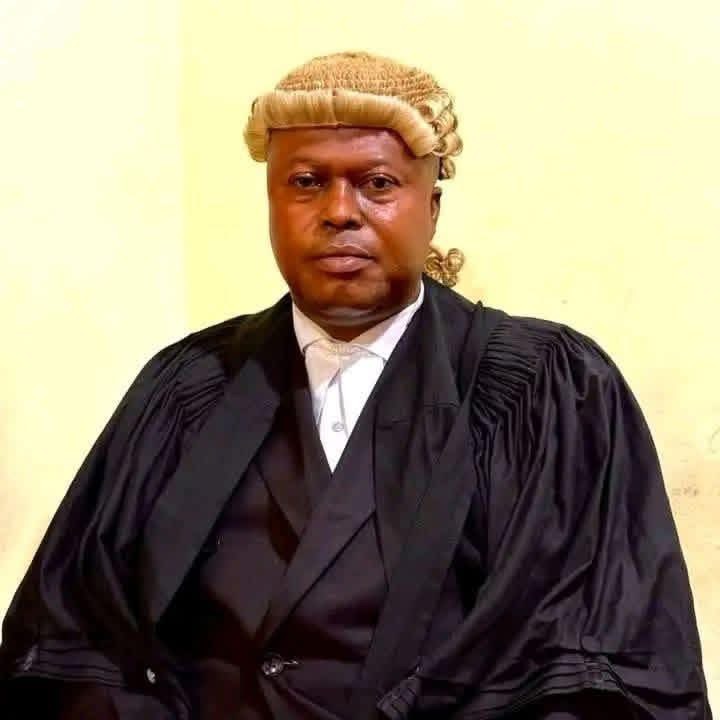
JUDGE BRIMA JAH
At the heart of these discussions is the perception that the justice system is sometimes influenced—directly or indirectly—by political dynamics. While the judiciary is constitutionally independent, public confidence depends not only on legal frameworks but also on how justice is seen to be delivered in practice. When citizens begin to believe that outcomes are inconsistent or influenced by non-legal factors, trust in the entire system begins to erode.
One of the legal instruments often referenced in these debates is the Public Order Act of 1965. Critics argue that its continued use in modern Sierra Leone raises important questions about freedom of expression, proportionality of punishment, and the balance between public order and civil liberties. Supporters, however, maintain that it remains necessary for maintaining stability and preventing incitement. This tension reflects a broader challenge: how to modernize legal frameworks inherited from earlier political eras while ensuring both national security and democratic freedoms.
The sentencing of public figures such as Zainab Sheriff has further intensified public discussion. For some, such cases represent the lawful application of existing statutes. For others, they raise concerns about whether the law is being applied consistently and whether similar cases would receive the same level of attention or severity, regardless of the individuals involved. These debates highlight the importance of transparency in judicial reasoning and sentencing.
More broadly, concerns about the politicization of justice are often linked to the wider political environment. Since the administration of Julius Maada Bio, discussions around governance, accountability, and institutional reform have remained central to national debate. Supporters of the government argue that reforms in governance and anti-corruption efforts are strengthening institutions. Critics, however, argue that more needs to be done to ensure that all citizens—regardless of political affiliation, gender, or status—receive equal treatment before the law.
Gender equality is another important dimension of this conversation. Sierra Leone has made public commitments to Gender Equality and Women’s Empowerment (GEWE), aiming to increase women’s participation in leadership and protect their rights across all sectors, including justice. However, when high-profile female figures become involved in legal proceedings, it often sparks wider debate about whether gender-sensitive reforms are being fully realized in practice. The concern is not only about individual cases, but about whether systems consistently uphold fairness without bias or perception of bias.
At the same time, public discourse can sometimes
Growing Debate Over Sierra Leone’s Justice System Sparks Renewed Demands for Judicial Reform, Fairness
become polarized, especially when legal cases intersect with political identities. Allegations, speculation, and unverified claims circulating in public debate can further complicate the search for truth and fairness. This makes it even more important for institutions to communicate clearly, uphold due process, and ensure that judicial decisions are grounded strictly in evidence and law.
The core issue, therefore, is not simply about individual cases but about institutional strength. A credible judiciary must be independent, transparent, and insulated from political pressure. It must also be efficient, ensuring that justice is not delayed, as delayed justice often becomes denied justice in the eyes of the public.
Reform efforts could focus on several key areas: strengthening judicial independence, improving case management systems, increasing access to legal aid, enhancing training for judicial officers, and ensuring greater transparency in sentencing and judicial reasoning. Public education on legal rights and processes is also essential to bridge the gap between institutions and citizens.
Ultimately, the legitimacy of any justice system rests on public confidence. When citizens believe that the law applies equally to all, regardless of political affiliation or social status, trust is strengthened. When they do not, even lawful decisions can be viewed with suspicion.
Sierra Leone’s judiciary, like many institutions in developing democracies, stands at a critical crossroads.
The challenge is not only to administer justice but to be seen to administer justice fairly, consistently, and independently. Only through sustained reform, accountability, and transparency can the system fully earn the confidence of the people it serves.
Culled from contributor on Cocorioko Facebook Forum


Leave a Reply