
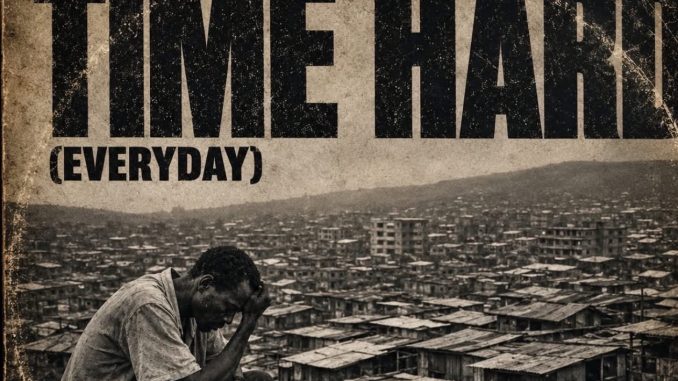
TIME HARD: The Song They Tried to Silence
By Melvyn Thomas
From Jamaica’s streets to Sierra Leone’s struggle, one reggae anthem became the voice of the people.
When the Jamaican reggae trio The Pioneers released “Time Hard” (also known as “Everyday”) in 1972, they intended to capture the immediate local realities of Kingston. The lyrics utilize a stark, repetitive structure to reflect the crushing weight of poverty:
“Everyday things are getting worse / Everyday things are getting worse / Time so hard, dog and all a look work.”
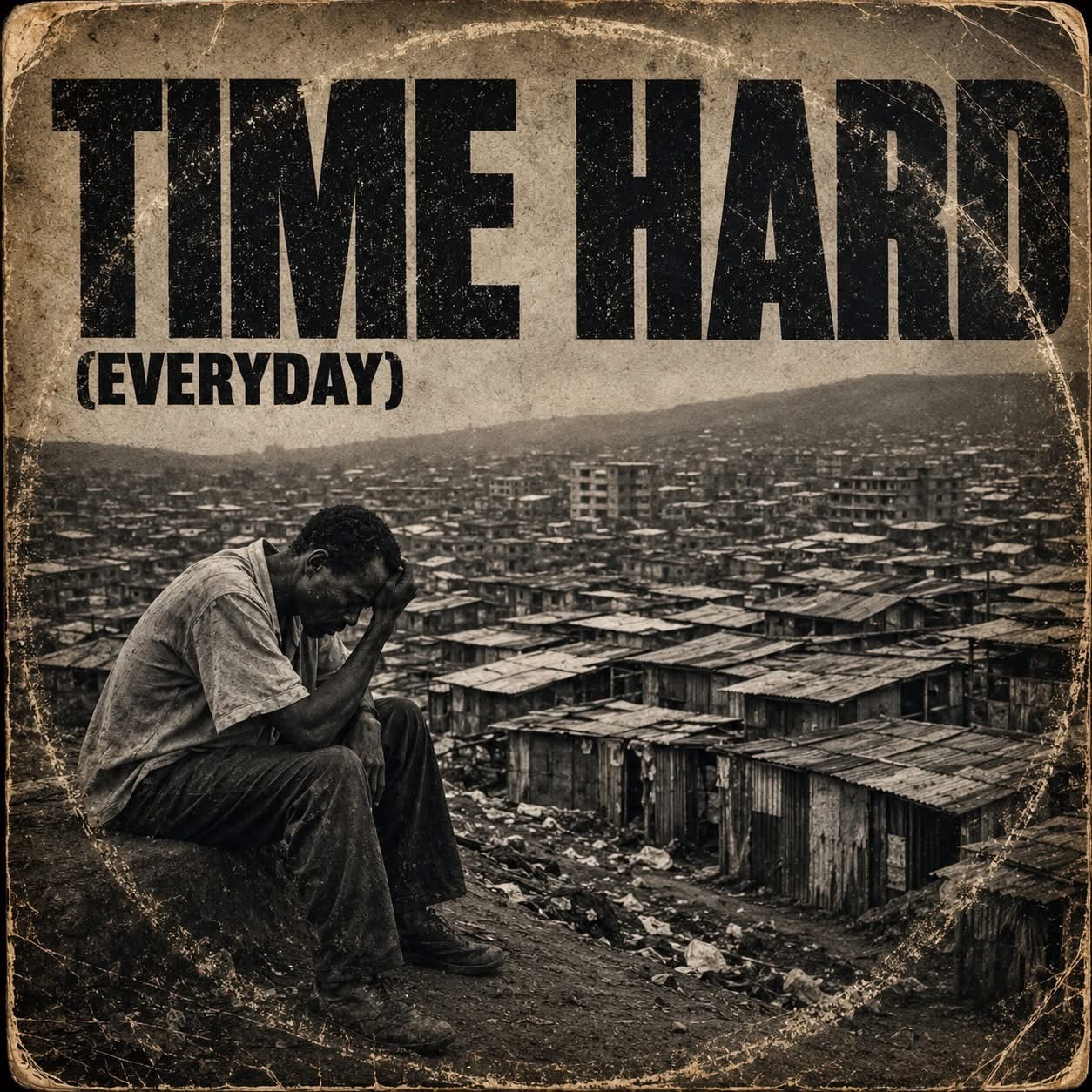
Musically, the song relies on a upbeat, steady rocksteady/early reggae rhythm. This creates a powerful ironic tension: the melody is danceable and infectious, yet the message is deeply sorrowful and exhausted. By personifying the absolute desperation of the economy—joking that even dogs are looking for employment—The Pioneers captured a universal truth about structural oppression. The song ceased to be just a Jamaican track; it became a portable, highly effective auditory weapon against failing governments worldwide.
The Siaka Stevens Ban: Music as a Political Threat
When the song travelled across the Atlantic to Sierra Leone, it transitioned from an artistic observation into a political threat.
By the late 1970s and early 1980s, President Siaka Stevens had forcibly consolidated power, transforming Sierra Leone into an authoritarian one-party state. To secure absolute control, Stevens weaponized state structures, declaring that “Wusai you tie cow na dae e dae eat” (Where you tie a cow, that is where it eats) —effectively validating corruption and looting at the highest levels of governance. While elites profited, ordinary citizens faced extreme inflation, agricultural failure, and a catastrophic devaluation of the local currency (the Leone).
Because Stevens tightly controlled the state media, the public had no democratic outlet for grievance. Citizens instead adopted “Time Hard” as an unofficial national protest anthem. The opening lyric, “Everyday things are getting worse,” was chanted in marketplaces, whispered on streets, and sung by students to explicitly mock the government’s claim to progress.
Recognizing that the song gave the public a shared vocabulary for dissent, the Stevens regime banned it from the airwaves. By censoring the track, the state implicitly acknowledged its own failure. The ban proved a critical socio-political concept: when a government makes it illegal to describe reality, a pop song becomes a revolutionary act.
The Modern Echo: Sierra Leone’s Current Crisis
The legacy of “Time Hard” is not trapped in the 1980s; its lyrics remain painfully relevant to the economic conditions gripping Sierra Leone today.
The country continues to struggle with severe macroeconomic shocks. The modern citizen navigating Freetown is experiencing the exact thesis of The Pioneers’ track. When the cost of electricity, rent, and basic fuel rises, it immediately transfers to the food basket. For a population where a vast majority of the youth face underemployment, the phrase “dog and all a look work” ceases to be a 1970s Jamaican exaggeration and becomes a direct description of modern survival.
Conclusion: The Continuous Cycle of Sound and Censorship
The trajectory of “Time Hard” from a Jamaican studio to a banned anthem in Sierra Leone proves that political music requires no passport.
Siaka Stevens banned the song because he believed silencing the melody could silence the anger. Decades later, as Sierra Leoneans confront a modern cost-of-living crisis, the song serves as a historical mirror. It stands as a reminder that while regimes change and decades pass, the fundamental struggle between a suffering populace and a mismanaged economy remains unchanged. “Time Hard” remains timeless because the structural hardships it decries have yet to be resolved.



Leave a Reply