
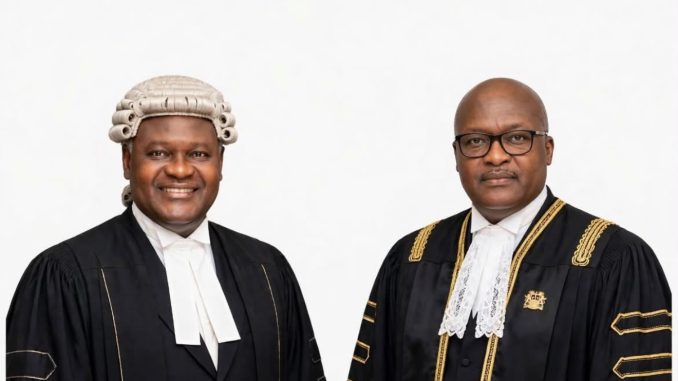
CHIEF JUSTICE KAMANDA’S DECISION ON JFK: IF NOT HANDLED PROPERLY, IT COULD DEEPEN POLITICAL TENSIONS AND THREATEN SIERRA LEONE’S NATIONAL STABILITY
By Haroun Olu Zubairu
The detention of Joseph Fitzgerald Kamara (JFK) raises serious legal and constitutional questions. In a politically sensitive case, the exercise of contempt powers must be grounded in law, procedurally fair, and proportionate to the alleged misconduct.
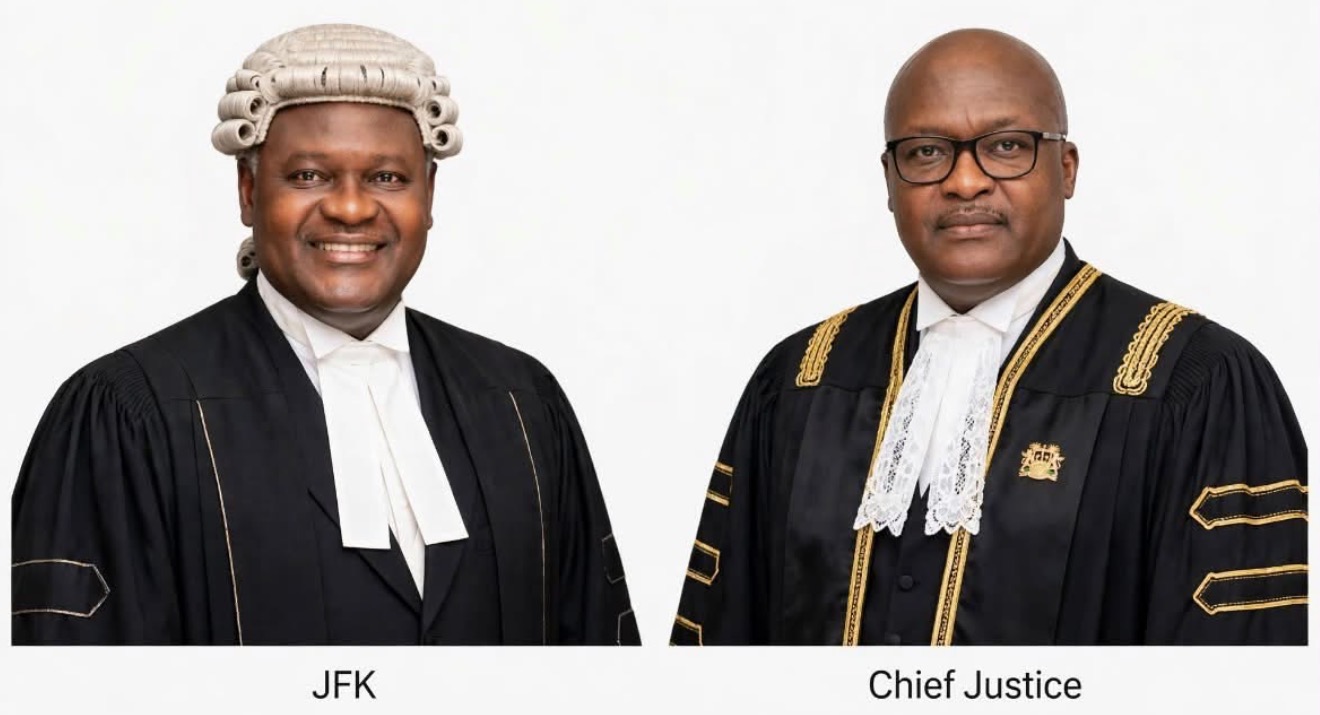
According to reports, JFK apologized and withdrew remarks considered objectionable by the Supreme Court. Yet Chief Justice Komba Kamanda considered the response inadequate, and detention followed.
The central legal question is not whether the Supreme Court has contempt powers. It clearly does. The question is whether detention was necessary and proportionate in these particular circumstances.
If an apology and retraction had already been offered, why was deprivation of liberty required? Could a warning, reprimand, or another lawful sanction have protected the dignity of the Court without escalating an already sensitive constitutional dispute?
There is also a question of procedural fairness. Was JFK clearly informed of the conduct constituting contempt? Was he afforded an adequate opportunity to respond? And was a clear legal basis provided for a sanction affecting his liberty?
The political context makes judicial restraint especially important. JFK was representing the opposition APC in major constitutional proceedings. That fact does not by itself establish political bias, but it makes the appearance of judicial impartiality particularly important.
Judicial independence cannot mean unchecked judicial power.
When politically sensitive court decisions are widely perceived as excessive or unfair, confidence in the judiciary can deteriorate. Political mistrust can deepen, constitutional disagreements can move beyond the courtroom, and Sierra Leone’s national stability can come under unnecessary pressure.
The answer is not violence, intimidation, or confrontation. The answer is judicial restraint, transparent legal procedures, lawful review, and respect for the Constitution.
No lawyer is above the law. But neither should any judicial officer be beyond legitimate constitutional scrutiny.
The question that must be answered is simple: Was JFK’s detention genuinely necessary to protect the administration of justice, or could the Court have achieved that purpose through a less restrictive response?
The Supreme Court should command respect through the strength of its legal reasoning, fairness, and impartiality—not simply through its power to punish.
Sierra Leone’s judiciary should resolve political conflict, not become another source of it. Our national stability depends on maintaining public confidence in equal justice under the law.
— Haroun Zubairu



Leave a Reply