
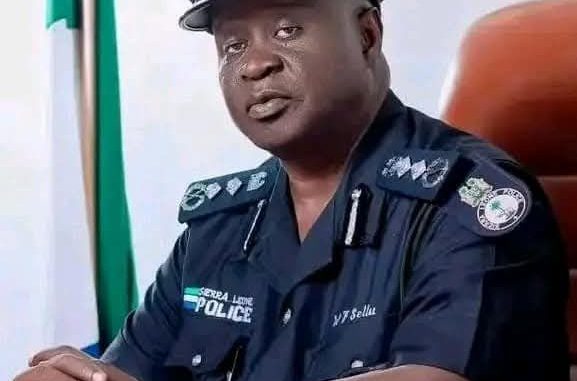
Stop Recording!” The Everyday Order That Has No Law Behind It 
I witnessed something recently in Bo that says a lot about where we are as a country.
A young man stood a short distance from a police checkpoint, phone in hand, quietly recording his interaction. No noise. No interference. Just a citizen trying to have a record, just in case.
Within moments, an officer walked up to him and told him to stop.
Not asked. Told.
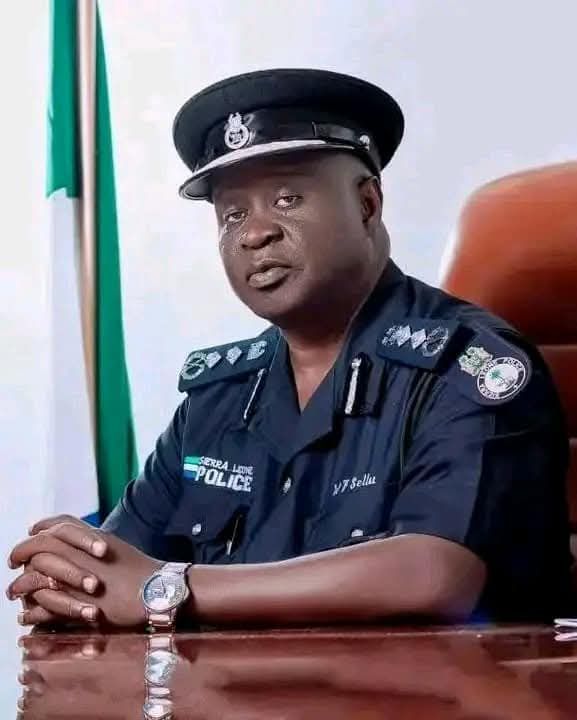
Then came the usual line: “You can’t film here.” No law mentioned. No explanation. Just authority.
The young man hesitated, then lowered his phone. Situation over. Or at least, that’s how it looked on the surface.
But the real issue didn’t end there.
Because this is happening more and more—in Makeni, in Kenema, and right here in Freetown, ordinary people trying to document their own encounters are being shut down like they’re committing a crime.
Let’s be clear, there is no law in Sierra Leone that says a civilian cannot film a police officer in a public space.
None.
So what exactly are people being stopped for?
Filming is not obstruction. Standing at a distance with a phone is not interference. Recording your own encounter is not a threat to national security.
But somehow, it is being treated like one.
And that’s where the problem starts.
People are not filming for fun. They are filming for protection. In a system where things can easily turn into your word against authority, a camera becomes your only witness.
It keeps everyone honest.
So when an officer says “stop recording,” what people hear is something else: “Don’t document this.”
That is not a good message in any democracy.
If everything is being done properly, then a camera should not be a problem. In fact, it should be proof of professionalism.
So why the discomfort?
Why the urgency to shut it down?
This is where outdated thinking and unchecked discretion come in. Old public order habits are still being used in modern situations, stretching authority beyond what the law actually says.
And citizens, not wanting trouble, comply—even when they know something feels off.
But this grey area is dangerous.
Because it replaces law with mood. It replaces rights with permission.
Today it’s “stop recording.” Tomorrow it could be something else.
What Sierra Leone needs is simple and clear: a firm position that citizens have the right to record public officials in public spaces, as long as they are not interfering.
No intimidation. No forced deletion. No invented rules on the roadside.
Just clarity.
Because the truth is, cameras are not going away. If anything, they are becoming more common.
Trying to suppress them doesn’t build trust—it destroys it.
If the police are doing the right thing, the camera will show it.
And if a citizen is doing nothing wrong, they should not be made to feel like a suspect for holding a phone.
A country that fears documentation is a country that needs to ask itself why.

Leave a Reply