
The Day Kinshasa Stopped Singing
By Shady Shihusa
On October 12, 1989, the news reached Kinshasa, Franco Luambo Makiadi, the man whose guitar had narrated the lives of millions, was dead at 51.
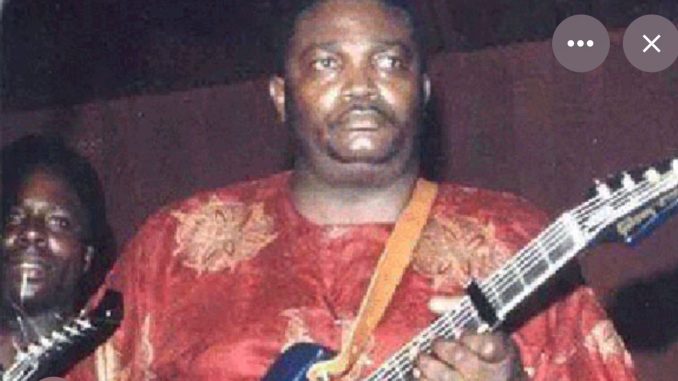
All radios changed their tune. In their place came the slow ones, the aching, unhurried songs Franco had spent decades perfecting. Hour after hour, they drifted from open windows, taxi radios, and market stalls. Zaire, as the country was then called, declared four days of national mourning. For a nation not known for agreeing on much, it was a rare moment of shared silence, filled with a sombre mood. They all agreed they had lost a national treasure.
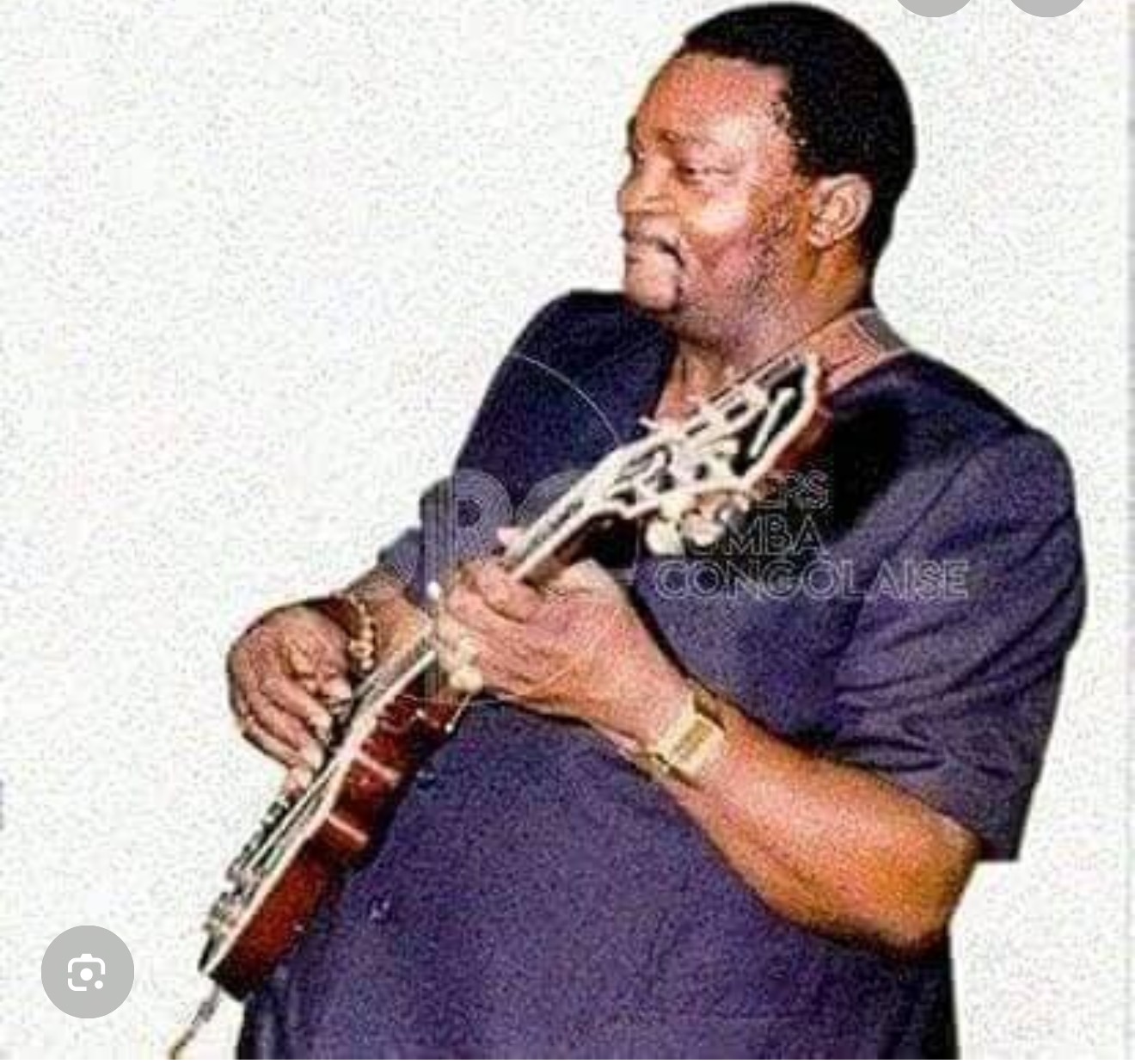
People came. They poured into the streets of Kinshasa in their millions, a tide of mourners spilling across the capital to say goodbye to the man they came to refer to as “le Sorcier de la Guitare,” the Sorcerer of the Guitar.
People received the news and processed it differently. Some wept openly. Others simply stood, shoulder to shoulder with strangers, humming melodies they had known since childhood. Others simply did not believe death could be that cruel.
It’s easy to see why the grief ran so deep. Franco was not merely an entertainer. He had been there since 1956, he was the spinal cord of OK Jazz, a band that grew into one of the most influential in African music history and the world at large. For more than three decades, he fused Congolese rumba with sharp wit and fearless storytelling, building a body of work running to thousands of songs. Yes, you got me right, thousands of songs, with over 1400 well documented songs.
But what made him beloved was what he put inside those songs. Franco sang about everything: love gone wrong, money troubles, family quarrels, the small cruelties and absurdities of daily life, and, when he dared, the powerful.
In a country where honest reporting could be dangerous, his lyrics did the job the newspapers couldn’t. People didn’t just dance to Franco; they learned from him. His songs were advice, gossip, warning, and comfort, all wrapped in a groove you couldn’t resist. In a very real sense, he was the nation’s unofficial daily paper, delivered in song. This lived beyond his death and that makes him the great master of the art, the musical honour ” Le grand maitre.”
When he died, it felt less like losing a musician and more like losing a voice that had been speaking for everyone. The man who had given Zaire the words for its joys and sorrows was gone, and the only fitting tribute was to let those words play on.
More than three decades later, Franco’s music still echoes through Kinshasa and far beyond, from Brazzaville bars to Nairobi matatus to playlists in different gadgets across the world. Everyone remembers him differently. The Sorcerer’s guitar has gone quiet, no one to pluck the strings as sweetly as he did, but the spell seems never meant to break. You listen to him, and you cannot stop listening to more and more.
As we prepare to usher in his 37th anniversary, we know the master is gone but will forever live in our ears, heart and mind through music. Hey DJ, put on some makiadi music and don’t cut any song before it ends!
Which music plays first?



Leave a Reply