
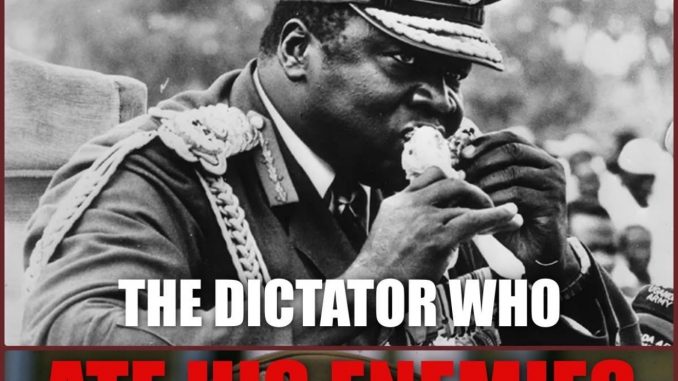
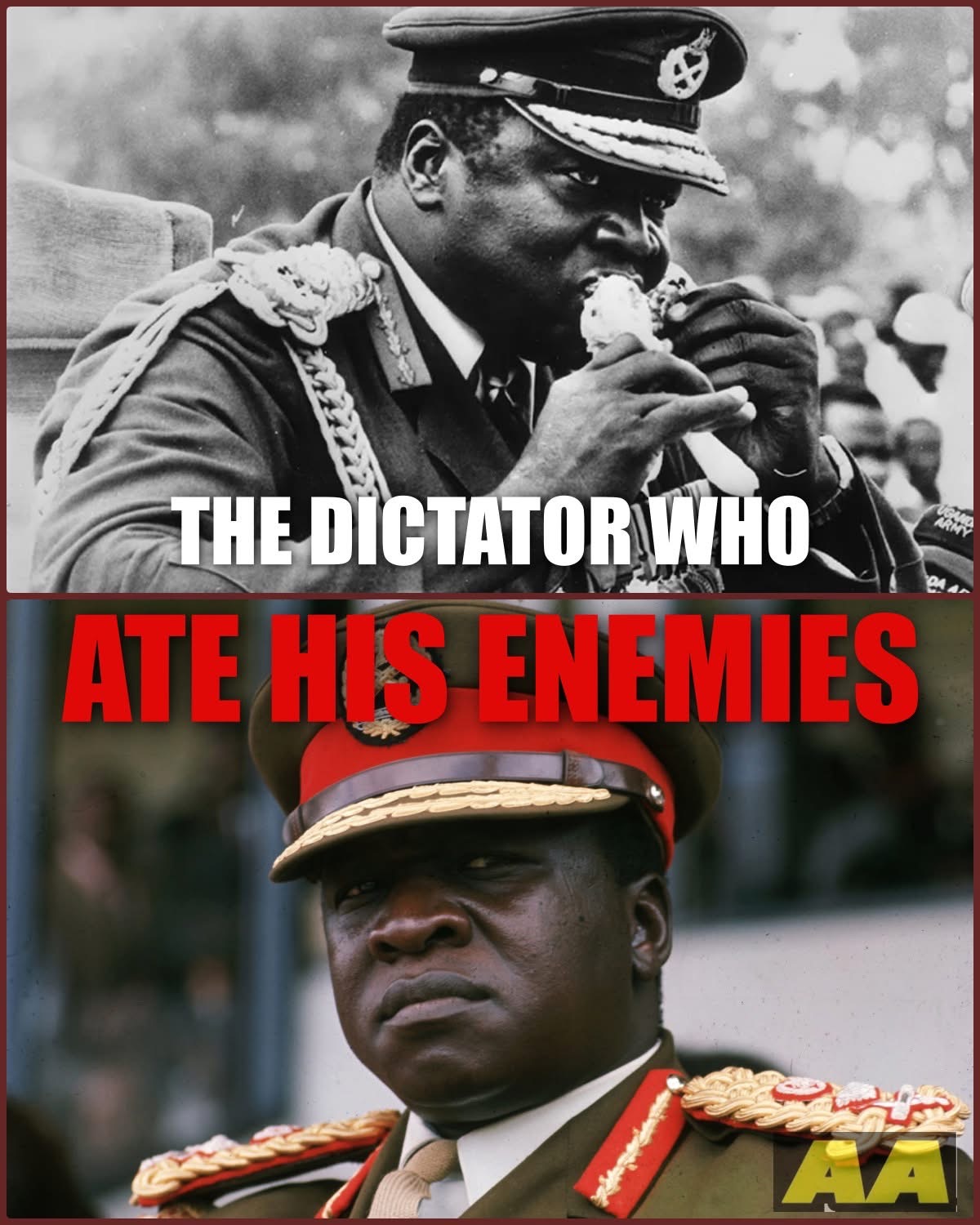
Idi Amin – The Dictator who ATE His Enemies
The military transformed his life. According to some accounts, Amin began as an assistant cook.
Whether or not that detail is entirely accurate, his physical abilities quickly drew attention. He was massive, athletic, and intimidating.
Standing well over six feet tall with tremendous strength, he fit naturally into military culture.
Superiors noticed his aggression and willingness to obey orders without hesitation. In 1949 he was deployed to Somalia, where British colonial forces were attempting to suppress unrest and resistance movements.
Later, he served in Kenya during the Mau Mau uprising, one of the bloodiest anti-colonial conflicts of the era.
The British response to the rebellion was notoriously harsh, and Amin operated in that environment for years.
During these campaigns, Amin gained a reputation for brutality. Reports circulated that he used excessive force during interrogations and punishment operations.
Some officers viewed him as dangerously violent even by military standards. At one point, allegations of severe abuse nearly damaged his career.
Yet instead of ending his advancement, the military continued promoting him. In colonial systems built on suppression and obedience, men like Amin often thrived.
By 1959 he had reached the rank of Effendi, the highest rank a Black African soldier could hold in the British colonial military structure at the time.
That alone marked an extraordinary rise for someone from his background. Outside military life, Amin developed another passion: boxing.
He became one of Uganda’s top amateur heavyweights and won national championships multiple times during the 1950s.
In the ring he displayed the same qualities that defined his military career: raw physical power, fearlessness, and aggression.
Boxing elevated his status even further. People admired his toughness. He became known as a fighter both literally and figuratively.
As the 1950s moved toward the 1960s, political winds across Africa were changing rapidly. Colonial empires were weakening.
Independence movements were spreading. Uganda was preparing for self-rule, and ambitious politicians were positioning themselves for power.
One of those politicians was Apollo Milton Obote. Obote emerged as a major political force and eventually became leader of the Uganda People’s Congress.
Amin aligned himself closely with him. Their relationship would shape Uganda’s future in ways neither man could fully control.
When Uganda gained independence from Britain in 1962, Obote became prime minister. Amin, already an established military figure, was elevated to lieutenant in Uganda’s new national army.
The alliance benefited both men. Obote needed loyal military support. Amin needed political protection and advancement.
Amin’s first major assignment after independence involved stopping cattle theft in northern Uganda. He succeeded militarily, but once again accusations followed.
British officials reportedly demanded he face consequences for atrocities committed during operations. Instead, Obote protected him and even arranged for additional military training in the United Kingdom.
That protection strengthened Amin’s loyalty to Obote, at least temporarily. When Amin returned to Uganda in 1964, the national army was facing serious unreSt. Soldiers mutinied over pay, conditions, and political grievances.
The government struggled to maintain control. Amin played a key role in restoring order and was rewarded with another promotion, this time to Deputy Commander of the Army.
But while Uganda publicly celebrated independence and national unity, corruption and power struggles were already taking root behind the scenes…
READ THE FULL STORY HERE: https://ht2.cafex.biz/blog/khaihtv-idi-amin-the-dictator-who-ate-his-enemies
Leave a Reply