

*Fighting for the Flag on Shifting Constitutional Terrain*
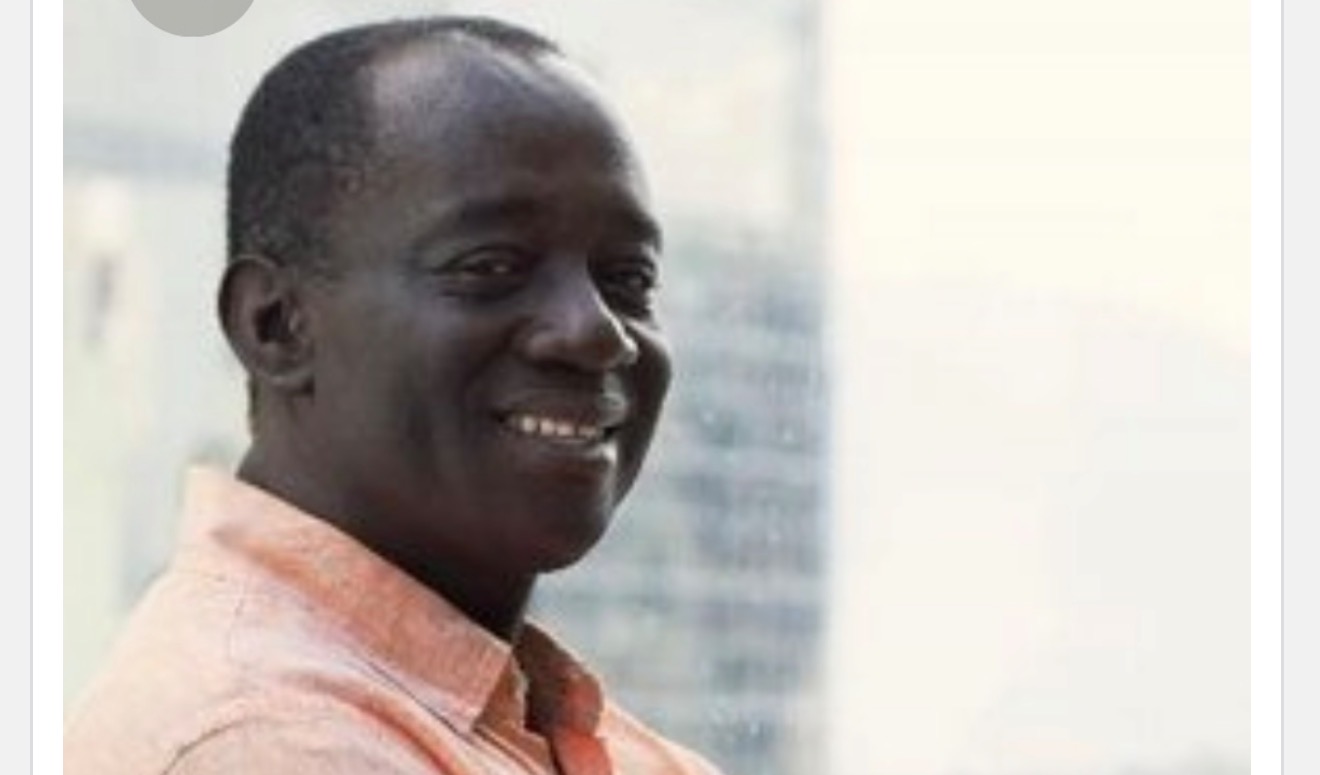
By Oumar Farouk Sesay
Sierra Leone is again approaching a consequential political moment. Yet while constitutional questions with potentially far-reaching implications arise ahead of 2028, much of the opposition appears consumed by a different struggle: who will be its next flagbearer.
That contest matters. But timing matters more.
*The opposition risks fighting over who will carry the flag while others within its ranks ignore the shifting constitutional terrain on which that flag must eventually be planted.*
A flagbearer can be chosen later. Once established, a constitutional precedent may prove far more difficult to reverse.
This is why the opposition’s internal divisions are no longer merely a party problem. They are becoming a political liability.
Leadership contests are legitimate. Ambition is natural. Political parties must eventually decide who will lead them into elections. But serious political organizations must also know when internal competition should yield to a greater institutional threat.
That discipline appears dangerously weak.
*Sections of the opposition remain entangled in disputes over executive mandates, internal authority, court injunctions, factional loyalties, and competing claims to legitimacy. Its lawyers are preoccupied, its leaders are divided, its supporters are polarized, and its message is blurred.*
Meanwhile, the constitutional clock keeps moving.
*Governments do not suspend legislative agendas because the opposition is disorganized. Constitutional processes do not pause while political factions settle their quarrels. Power moves into vacuums, and a fragmented opposition creates exactly that vacuum.*
If the opposition genuinely believes that provisions of the 2025 amendment bill threaten constitutional safeguards, those concerns should command its highest political, legal, and parliamentary attention now, not after the flagbearer contest or after every internal lawsuit is resolved. Now.
Politics requires judgment—the ability to distinguish between a battle that can wait and one that cannot.
*Every internal lawsuit consumes time. Every factional dispute drains political energy. Every leadership quarrel consumes public attention. Every internal victory leaves another faction nursing resentment.*
This is how political movements sometimes defeat themselves: not through dramatic collapse, but through distraction, ego, and an inability to postpone ambition long enough to confront a greater threat.
Nor should the opposition imagine that the international community will rescue it from the consequences of its disorganization.
*Diplomats may care deeply about credible elections, constitutional governance, inclusion and political stability. They can encourage dialogue. They can raise concerns. They can apply diplomatic pressure.*
*But they cannot manufacture unity in opposition.*
They cannot formulate its legal arguments.
They cannot discipline their parliamentarians.
They cannot persuade competing factions to place institutional survival above personal ambition.
And they cannot care more about the opposition’s political future than the opposition itself.
If international partners are expected to take constitutional objections seriously, the opposition must first show that it does.
That means producing a coherent legal case, documenting its objections, organizing Parliament, engaging civil society, educating the public, and speaking consistently. It must also show that its concerns are rooted in constitutional principle rather than in mere fear of electoral disadvantage.
The controversies surrounding the 2023 elections should already have taught an important lesson: elections do not begin on election day.
They begin when laws are written, institutions are shaped, procedures are established, and constitutional interpretations set precedent. In that sense, 2028 has already begun.
The battlefield on which the next election will be fought is being prepared now. That makes endless arguments over who should become flagbearer dangerously premature.
A strong candidate cannot compensate for weakened institutions. A charismatic campaign cannot overturn every constitutional precedent. And a party that finally unites in 2028 may find that unity arrived too late.
Leadership is not merely the ability to gather supporters, dominate party structures or win internal contests.
Leadership is the ability to recognize the larger danger and place personal ambition beneath institutional survival.
The flagbearer contest will come. Let candidates compete when the time comes. Let delegates choose. Let ambitions collide.
But first, there must remain constitutional terrain worth competing on.
The opposition’s greatest obstacle may ultimately not be the government.
*It may be its inability to stop fighting itself long enough to recognize that the ground beneath its flag is already shifting.*



Leave a Reply