
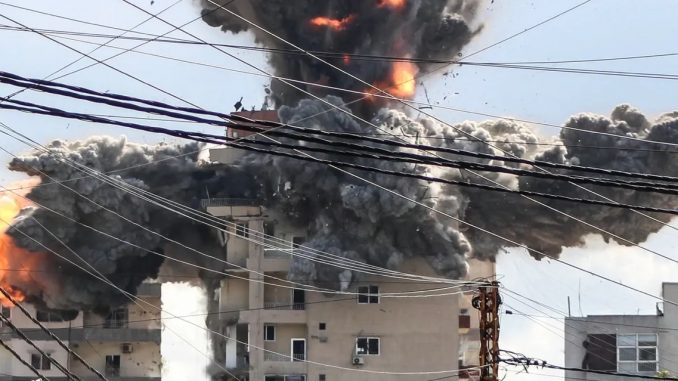
A fragile two-week ceasefire between the U.S. and Iran, brokered around April 7, 2026, aimed at halting six weeks of conflict, faces significant risks holding due to ongoing Israeli strikes in Lebanon. While U.S. forces remain in place to ensure compliance, Iran has threatened to close the vital Strait of Hormuz again if strikes do not stop.
Key Factors Influencing the Ceasefire:
Strait of Hormuz Standoff: Iran, which previously charged fees to allow ships passage, agreed to reopen the strait as part of the truce. However, reports on April 8 indicated that Iran threatened to close it again following Israeli airstrikes on Hezbollah targets.
Lebanon Conflict Factor: Israeli officials, while agreeing to pause fire on Iran, explicitly stated the truce does not cover Lebanon and continued major strikes on Hezbollah.
Diplomatic Negotiations: High-stakes negotiations are planned in Pakistan, with Netanyahu’s cabinet exploring direct talks with Lebanon to disarm Hezbollah.
International Involvement: Over 15 nations, including those from Europe and Asia, are working with Iran to help reopen the strait.
Market Response: Oil futures rose back toward
$ a barrel as markets remained skeptical, as reported by CNBC.
The situation remains deeply unstable, with Security Council Report noting ongoing debates about the situation. Many residents and experts doubt the long-term viability of the truce given the competing interests, according to NPR and CNBC.
Security Council Report
Security Council Report
————-
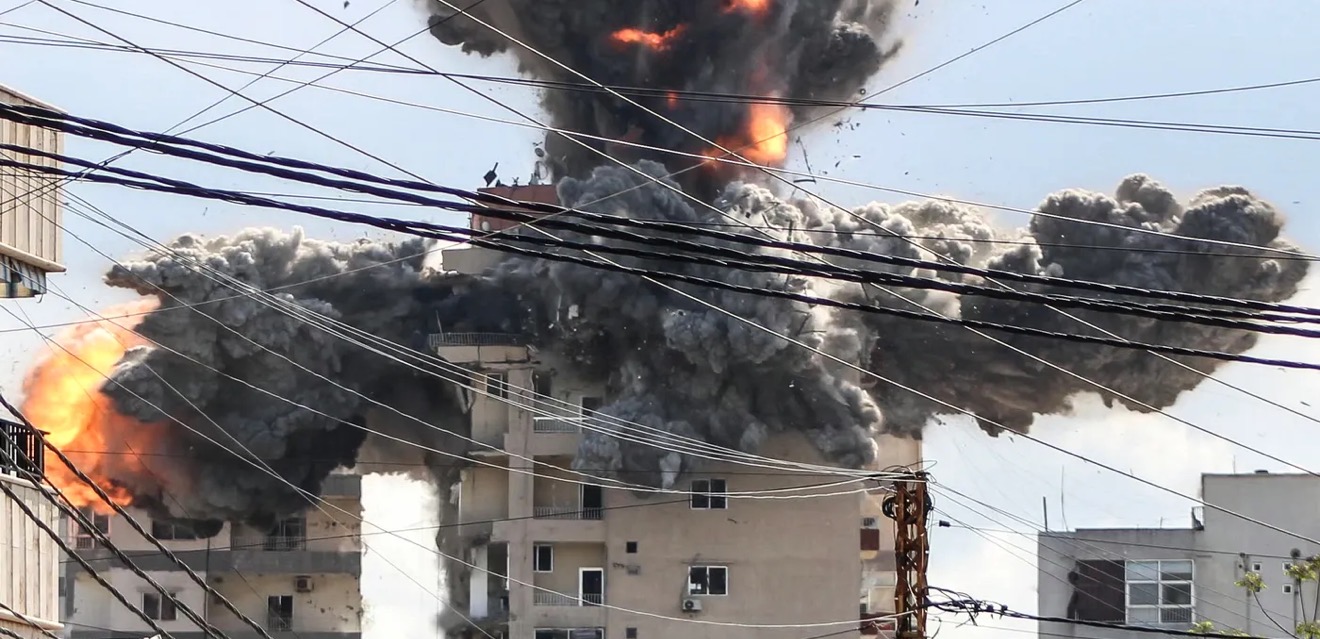
Tensions in the Middle East are escalating rapidly as claims emerge that China and Pakistan have issued a strong warning regarding any potential nuclear strike involving Iran and Israel. The situation highlights the growing risk of a wider regional or even global conflict if hostilities continue to intensify.
Such statements, whether official or speculative, underline the fragile balance of power in the region. With multiple global powers already involved diplomatically and strategically, any escalation could have serious consequences for international stability, energy routes, and global security.
Analysts warn that rhetoric surrounding nuclear threats significantly raises the stakes and increases fears of miscalculation. The involvement of multiple nations also suggests that the conflict is no longer limited to regional actors but has broader geopolitical implications.
As the world watches closely, calls for de-escalation and diplomatic solutions are becoming more urgent than ever. The coming days could prove critical in determining whether tensions cool down or spiral further.
Source : KNOW THE WORLD


Leave a Reply