


NOW, LET US TALK JOURNALISM : JOURNALISTS MUST FOLLOW ETHICS , PROTECT THEIR SOURCES AND BE CAREFUL WITH CLASSIFIED INFORMATION
By Kabs Kanu
Journalists depend on sources for breaking news , scoops and other stories, apart from their own investigative efforts. There will be no journalism without sources. But according to the ethics of Journalism, it is not always that a journalist must reveal his sources or even name the subject of the news story.

A government official might call you to confide in you that he is quitting the government but he is afraid or constrained to tell you the reasons. You have to ask him right there if he wants you to report the story . If he says “Yes, but do not name me yet “, you have to follow his directives . You can report the story but you must be careful not to provide cues that will lead to him being identified. And since he did not give you reasons, you cannot speculate on it either. Just write a short , straight news story that a minister is about to resign but he has given no reasons yet.
A woman might call you to report that she has just been raped by a minister and she is willing to discuss where and the details of her ordeal but she might not want you to mention the name of the rapist. First, you have to investigate her claims to ensure that the story is true. In most cases, if the victim is a minor you cannot divulge her name yet. You also have to wait until she reports the matter to the Police and to avoid legal problems, ehat you write must be in collaboration with the police —-and if treated medically for the rape, the hospital. However, the officers might not want the story reported yet because it might affect their investigations. You have to wait until you are cleared to report it. But if the woman was raped in a public place and witnesses saw it and they arrested the man, you do not wait for anything. You must report it as narrated by the witnesses . To protect yourself from legal actions, get names and addresses of some of the witnesses but you do not have to name them in your report, unless they ask you to report it. Or unless, they have come to social media with their names and made statements which can be quoted by you in your report.
Somebody might call you from State House or Parliament or the Attorney General’s office or the Ministry to confide in you that the government is planning to pass a controversial new law . He might however not want you to name him . In that case, after confirming the story and getting the details from him , you can say a high ranking source from State House , Parliament or the Justice Ministry informed you, but do not name him. Let people accuse you of fabricating the story. You know within yourself that the story is true.
When I led a Concerned Sierra Leoneans team from the U. S and the U. K to the UN in 2023 to report President Maada Bio for his human rights abuses and atrocities against the people of Sierra Leone, the UN officials of the UN Secretary General’s Office who took the complaints and promised to act on them gave us their complimentary cards but asked us not to name them in our reports. This is in accordance with UN protocols. They said their photos must not also be published. We could publish our team presenting the complaints , however. I followed the instructions but a certain journalist from the UK went on and named the lead female UN official. This was unethical and would have jeopardized further engagements with the team . I had to work behind the scenes privately to demand forgiveness , since I set up and facilitated the meeting.
Also, in some cases, sources might discuss willingly confidential and complex matters with you on government or certain actions planned by the UN but will warn that the news is “off the records. “ They are just confiding in you to prepare you for the future or just to “bring you up to speed . “ You do not rush and publish it or provide hints to the public. The officials might not trust you anymore.
Journalists must learn to maintain strict confidentiality and to keep state and organizational secrets . Classified information must never be reported. It is not everything I have been told about President Bio, Fatima Bio, Moinina Sengeh , Francis Keifala and other SLPP officials and also APC executives and leaders or the UN and U.S State Department that I must report. The information was confidential and I have to maintain confidentiality. Some stories are very explosive and will ignite fear, panic or chaos , if published. Journalists must exercise reasonable care with state and organization secrets.
Many government officials of the APC and SLPP told me that there are certain journalists they will never confide in because their mouths run like a pick-up on the Makeni highway. They also turn down requests to be interviewed by certain journalists because these media personnel are fond of misquoting people or putting words in their mouths. Public officials watch how we practice journalism and we must be careful we do not lose their trust and respect. You can criticize them and their government all you want because the civilized among them know that it is your duty to hold the government to account in the spirit of democracy but there are certain ethical standards of journalism they expect you to follow
and if they mark you out as an unethical journalist ( You do not follow ethics and protocols en you mot dey run lek mamankpara ) , they will never deal with you.
Journalists must be very careful how they treat the sources who provide them information or public officials they engage or are willing to discuss complicated matters with them off the records. It is not everything you know that you must publish, unless there is a public interest compulsion .
Journalism will be nothing without tipsters, society gossips, confidential sources and scoop masters and mistresses but do not blow their cover. If they plead anonymity , respect their wishes . Without them, you will miss the thrilling stories and bombshells that make your media enjoyable, reliable, informative, educative and irresistible.
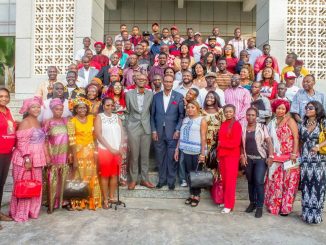
PHOTO : KABS KANU, THE YOUNG JOURNALIST

Leave a Reply