
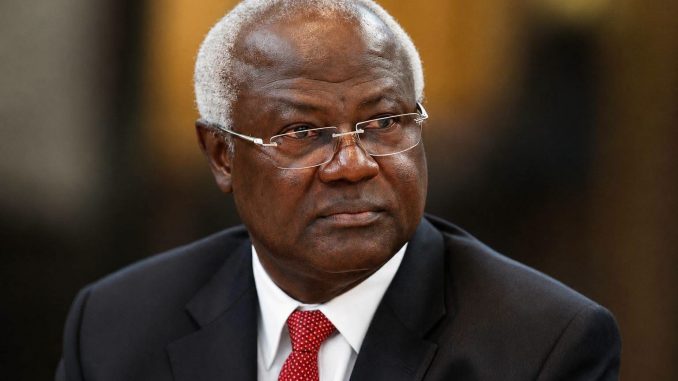
Opinion: The Ernest Bai Koroma Treason Case Raises Difficult Questions About Justice in Sierra Leone
By Haroun Oluwole Zubairu
Editor-in-Chief, SaloneConnect Media
The decision to discontinue the treason case against former President Ernest Bai Koroma marks a significant moment in Sierra Leone’s political and legal history.

Whatever one’s political affiliation, it raises an important question:
If the charges against the former president can be dropped, what happens to the others who were accused in connection with the same case?
Some of those accused have already been convicted and are serving prison sentences. Others spent long periods in detention before their cases were concluded. Some have reportedly died without living to see the final outcome of the legal process.
Their families also deserve answers.
This is not simply about whether Ernest Bai Koroma should or should not have been prosecuted. It is not an attempt to declare anyone guilty or innocent. The deeper issue is whether justice was applied equally, transparently and consistently to everyone involved.
The trials of the other accused persons raised serious concerns among many Sierra Leoneans. Questions were asked about transparency, access to proper legal representation, the handling of evidence and whether the accused received a fair opportunity to defend themselves.
When charges against the most politically powerful person in a case are withdrawn while others remain in prison, citizens will naturally question the fairness of the system.
Were all the defendants given the same legal protections?
Were the same standards of evidence applied to everyone?
Were their trials open, transparent and free from political pressure?
If the state now believes that continuing the case against Ernest Bai Koroma is no longer in the public interest, should the cases of the others not also be reviewed?
Justice cannot be based on status, political influence or connections. A poor citizen and a former president should stand equally before the law.
An independent judiciary is one of the foundations of democracy. Courts must not only be fair; they must also be seen to be fair. When the public begins to believe that powerful individuals receive different treatment from ordinary citizens, confidence in the justice system is weakened.
The government and the Office of the Attorney General owe the public a clear explanation.
Why were the charges dropped?
Was there insufficient evidence?
Was the decision part of a political settlement or national reconciliation process?
And most importantly, what does this decision mean for those who were convicted or remain imprisoned in connection with the same alleged events?
National reconciliation should not be reserved for political leaders. It must also include ordinary citizens, soldiers, police officers and families whose lives were affected by these prosecutions.
If mercy, reconciliation or political compromise can be extended to a former president, the same principles must be considered for others.
Sierra Leoneans deserve a justice system that is independent, transparent and equal.
The question is no longer only about Ernest Bai Koroma.
The question is:
Do we have a fair judiciary, or does justice depend on who you are?

Leave a Reply